
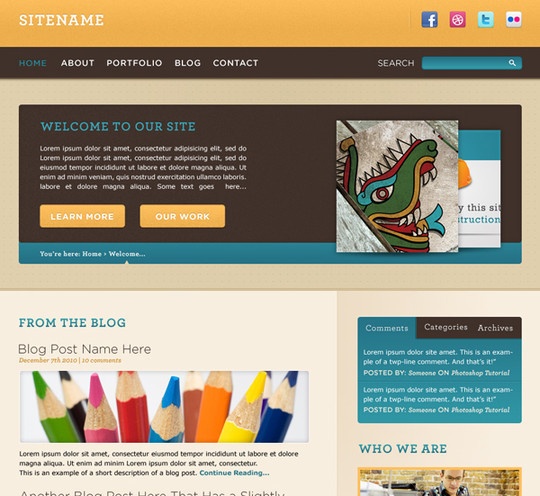
In today’s digital age, having a well-designed website is essential for individuals and businesses alike. Whether you’re looking to showcase your portfolio, promote your services, or sell products online, a visually appealing and user-friendly website can help you reach your goals. If you’re new to website design and unsure where to start, fear not – here are some key tips for beginners to create a successful website.
Plan Your Website Structure:
Before diving into the design process, it’s crucial to plan out the structure of your website. Consider what pages you need (e.g., home, about, services, contact) and how they will be interconnected. This will help you create a clear navigation system that guides users through your site seamlessly.
Choose the Right Platform:
There are various platforms available for building websites, such as WordPress, Wix, and Squarespace. These platforms offer user-friendly interfaces and templates that can simplify the design process for beginners. Choose a platform that aligns with your needs and technical skills.
Focus on User Experience (UX):
User experience plays a vital role in the success of a website. Ensure that your site is easy to navigate, loads quickly, and is mobile-responsive. Pay attention to typography, colour schemes, and imagery to create a visually appealing layout that enhances user engagement.
Create Engaging Content:
Content is king when it comes to websites. Develop high-quality content that is informative, engaging, and relevant to your target audience. Incorporate images, videos, and interactive elements to make your site more dynamic and compelling.
Optimise for SEO:
Search engine optimisation (SEO) is essential for improving your website’s visibility in search engine results. Research relevant keywords related to your content and incorporate them strategically throughout your site. Optimise meta tags, headings, and image alt text to improve search engine rankings.
Test Your Website:
Before launching your website live, be sure to test it thoroughly across different devices and browsers. Check for any broken links or formatting issues that may affect the user experience. Solicit feedback from friends or colleagues to gain valuable insights for improvement.
Learn Continuously:
Website design is an ever-evolving field with new trends and technologies emerging regularly. Stay updated on industry best practices by following blogs, attending webinars, or taking online courses. Continuously learning will help you enhance your skills and stay ahead in the competitive digital landscape.
By following these tips and staying committed to learning and improving your skills, even beginners can create impressive websites that captivate audiences and achieve their objectives online. So roll up your sleeves, unleash your creativity, and embark on the exciting journey of website design!
Essential FAQs for Beginners in Website Design: Key Concepts and Best Practices
- What is website design and why is it important?
- Do I need coding skills to design a website?
- What are the essential elements of a well-designed website?
- How do I choose the right colour scheme for my website?
- What is responsive web design and why is it important?
- How can I improve the loading speed of my website?
- What are the best practices for user-friendly navigation on a website?
- Do I need to invest in SEO for my website design?
What is website design and why is it important?
Website design refers to the process of creating the visual layout and user interface of a website. It encompasses elements such as layout, colours, typography, and imagery to deliver a cohesive and engaging online experience for visitors. Website design is crucial as it serves as the digital storefront for individuals and businesses, making a strong first impression on users. A well-designed website not only attracts and retains visitors but also enhances brand credibility, communicates key messages effectively, and drives desired actions such as inquiries or purchases. In today’s competitive online landscape, investing in quality website design is essential to stand out from the crowd and establish a strong online presence that resonates with your target audience.
Do I need coding skills to design a website?
One of the most common questions that beginners have about website design is whether coding skills are necessary. The answer is that while coding skills can certainly be beneficial, they are not always required to design a website. With the availability of user-friendly website builders and content management systems (CMS) like WordPress, Wix, and Squarespace, individuals can create professional-looking websites without writing a single line of code. These platforms offer intuitive drag-and-drop interfaces and pre-designed templates that make it easy for beginners to customise their websites to suit their needs. However, having a basic understanding of HTML, CSS, and JavaScript can provide more flexibility and control over the design process for those who wish to delve deeper into web development. Ultimately, whether or not you need coding skills depends on the complexity of the website you want to create and your personal preferences in the design process.
What are the essential elements of a well-designed website?
For beginners in website design, understanding the essential elements of a well-designed website is crucial to creating a successful online presence. Key elements include a visually appealing layout that captures users’ attention, intuitive navigation that guides visitors seamlessly through the site, responsive design that ensures compatibility across various devices, engaging content that informs and captivates audiences, and strong calls-to-action that prompt users to take desired actions. Incorporating these elements harmoniously can elevate the user experience, improve site functionality, and ultimately drive traffic and conversions. By prioritising these fundamental components, beginners can lay a solid foundation for crafting effective and impactful websites.
How do I choose the right colour scheme for my website?
Choosing the right colour scheme for your website is a crucial decision that can significantly impact its overall look and feel. When selecting colours, consider your brand identity, target audience, and the emotions you want to evoke. Start by identifying your brand’s primary colours and incorporating them into your design to maintain consistency. Additionally, explore colour psychology to understand how different hues can influence user perception and behaviour. Aim for a harmonious blend of colours that enhance readability, highlight important elements, and create a visually appealing experience for visitors. Remember to test different colour combinations to ensure they complement each other and align with your website’s purpose and aesthetic.
What is responsive web design and why is it important?
Responsive web design refers to the approach of creating websites that adapt and display optimally on various devices and screen sizes, such as desktops, laptops, tablets, and smartphones. This technique ensures that the website layout, content, and functionality adjust dynamically to provide an optimal viewing experience for users across different devices. Responsive web design is crucial in today’s digital landscape because it enhances user experience by making websites accessible and easy to navigate on any device. With the increasing use of mobile devices for browsing the internet, having a responsive website is essential for reaching a wider audience, improving engagement, and boosting search engine rankings. By embracing responsive web design principles, beginners can create websites that are user-friendly, visually appealing, and compatible with the diverse range of devices used by modern audiences.
How can I improve the loading speed of my website?
Improving the loading speed of your website is crucial for providing a seamless user experience and enhancing your site’s performance. There are several strategies beginners can implement to boost loading speed. Firstly, optimise images by resizing them appropriately and using compressed file formats to reduce their size. Minimise the use of plugins and scripts that can slow down loading times. Utilise browser caching to store static resources locally, reducing the need to fetch them from the server repeatedly. Additionally, consider enabling GZIP compression to reduce file sizes and enable lazy loading for images and videos to load content only when it becomes visible on the screen. By implementing these techniques, beginners can significantly enhance their website’s loading speed and improve user satisfaction.
What are the best practices for user-friendly navigation on a website?
When it comes to creating a user-friendly website navigation, there are several best practices that beginners should keep in mind. Firstly, simplicity is key – aim for a clear and intuitive navigation menu that is easy to understand and navigate. Organise your menu items logically and limit the number of options to avoid overwhelming visitors. Incorporating descriptive labels for each menu item can help users quickly identify where they want to go. Additionally, consider implementing breadcrumbs or a search bar to provide alternative navigation options for users. Lastly, ensure that your navigation is consistent across all pages of your website to maintain a seamless user experience. By following these best practices, beginners can design a website navigation system that enhances usability and helps visitors find the information they need efficiently.
Do I need to invest in SEO for my website design?
For beginners in website design, the question of whether to invest in SEO is a common one. While creating an aesthetically pleasing and user-friendly website is crucial, incorporating search engine optimisation (SEO) elements is equally important. SEO helps improve your website’s visibility in search engine results, driving organic traffic and increasing your online presence. By investing in SEO during the website design process, you can optimise your site for relevant keywords, enhance user experience, and attract more visitors. Ultimately, integrating SEO into your website design strategy can have a significant impact on the success and reach of your online platform.
