
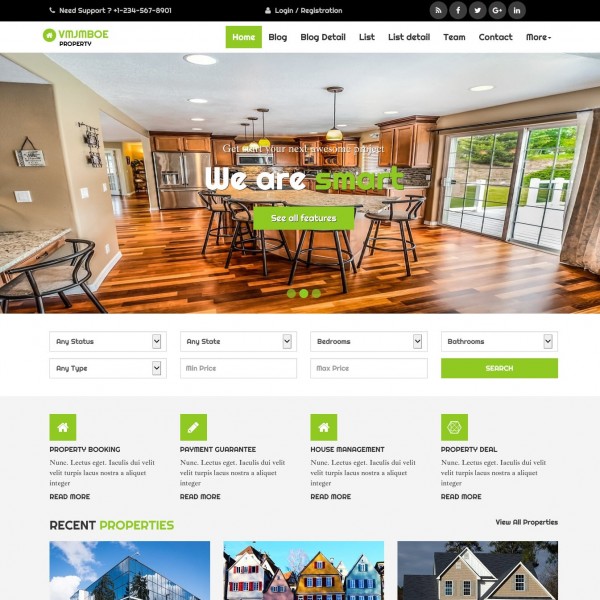
Real Estate Website Design: Creating an Engaging Online Experience
In today’s digital age, having a strong online presence is essential for real estate professionals to attract potential buyers and sellers. A well-designed real estate website not only showcases properties effectively but also provides a seamless user experience that keeps visitors engaged.
When it comes to real estate website design, there are several key factors to consider. Firstly, the layout and navigation of the website should be intuitive and easy to use. Visitors should be able to find information about properties quickly and efficiently, with clear calls-to-action guiding them towards property listings or contact forms.
Visual elements play a crucial role in real estate website design. High-quality images and videos of properties can help capture the attention of visitors and showcase the unique features of each listing. Virtual tours and 3D walkthroughs can provide an immersive experience, allowing potential buyers to explore properties from the comfort of their own homes.
Mobile responsiveness is another important aspect of real estate website design. With more people accessing the internet on mobile devices, it is crucial that your website displays correctly on smartphones and tablets. A responsive design ensures that your website looks great on any device, providing a seamless browsing experience for all users.
Search functionality is key for real estate websites, allowing visitors to filter properties based on their preferences such as location, price range, number of bedrooms, etc. Advanced search options can help users narrow down their choices and find properties that meet their specific criteria.
Finally, incorporating social proof into your real estate website can help build trust with potential clients. Testimonials from satisfied customers, reviews of your services, or case studies showcasing successful transactions can help establish credibility and encourage visitors to engage with your business.
In conclusion, effective real estate website design is essential for creating an engaging online experience that attracts and retains visitors. By focusing on intuitive navigation, visual appeal, mobile responsiveness, search functionality, and social proof, you can create a website that not only showcases your properties but also builds trust with potential clients.
Essential Considerations for Effective Real Estate Website Design: FAQs on Key Elements, Mobile Responsiveness, Visuals, Search Functionality, Social Proof, and Navigation Best Practices
- 1. What are the key elements of a successful real estate website design?
- 2. How important is mobile responsiveness in real estate website design?
- 3. What role do high-quality images and videos play in showcasing properties on a real estate website?
- 4. How can search functionality enhance user experience on a real estate website?
- 5. Is social proof important for establishing credibility on a real estate website?
- 6. What are some best practices for creating an intuitive navigation system on a real estate website?
1. What are the key elements of a successful real estate website design?
When considering the key elements of a successful real estate website design, several factors come into play. Firstly, intuitive navigation that allows users to easily find property listings and relevant information is crucial. High-quality visuals, including images and videos of properties, help capture the attention of visitors and showcase the unique features of each listing. Mobile responsiveness ensures that the website looks great on all devices, catering to users who browse on smartphones and tablets. Effective search functionality enables users to filter properties based on their preferences, while incorporating social proof such as testimonials and reviews can build credibility and trust with potential clients. By focusing on these key elements, a real estate website can create an engaging online experience that attracts and retains visitors.
2. How important is mobile responsiveness in real estate website design?
Mobile responsiveness is crucial in real estate website design as an increasing number of users access the internet on their mobile devices. A mobile-responsive website ensures that the layout and content adapt seamlessly to different screen sizes, providing a user-friendly experience for visitors browsing properties on smartphones and tablets. With the convenience of mobile browsing, real estate professionals can engage with potential buyers and sellers on-the-go, enhancing accessibility and driving conversions. In today’s digital landscape, prioritising mobile responsiveness is essential to cater to the preferences and behaviours of modern users, ultimately improving the overall effectiveness of a real estate website.
3. What role do high-quality images and videos play in showcasing properties on a real estate website?
High-quality images and videos play a pivotal role in showcasing properties on a real estate website by providing potential buyers with a visually immersive experience. These visual elements allow visitors to get a realistic sense of the property’s features, layout, and overall appeal, thereby capturing their attention and interest. Clear, crisp images and engaging videos can highlight the unique selling points of each property, helping to convey its value and attractiveness effectively. In a competitive real estate market, compelling visuals can make a significant impact on a visitor’s decision-making process, ultimately increasing the likelihood of inquiries or viewings for the property.
4. How can search functionality enhance user experience on a real estate website?
Effective search functionality plays a crucial role in enhancing the user experience on a real estate website by allowing visitors to quickly and efficiently find properties that match their specific criteria. By implementing advanced search options such as filtering by location, price range, property type, number of bedrooms, and other relevant features, users can easily narrow down their choices and focus on listings that meet their preferences. This not only saves users time but also provides a more personalised browsing experience, increasing the likelihood of them finding a property that suits their needs. Additionally, intuitive search functionality helps users navigate the website with ease, improving overall satisfaction and encouraging them to explore more listings.
5. Is social proof important for establishing credibility on a real estate website?
Social proof plays a vital role in establishing credibility on a real estate website. Potential buyers and sellers often look for reassurance from the experiences of others before engaging with a real estate professional. Testimonials, reviews, case studies, and success stories can act as powerful forms of social proof that demonstrate the trustworthiness and reliability of a real estate service. By showcasing positive feedback and demonstrating past successes, a real estate website can build confidence with visitors and encourage them to take the next step in their property journey.
6. What are some best practices for creating an intuitive navigation system on a real estate website?
When it comes to creating an intuitive navigation system on a real estate website, several best practices can enhance the user experience. Firstly, organising property listings into clear categories such as residential, commercial, or rental properties can help users easily find what they are looking for. Implementing a search bar with filters for location, price range, and property type can further streamline the navigation process. Including a prominent menu with dropdown options for quick access to different sections of the website and ensuring consistent placement of navigation elements across all pages can also contribute to a seamless browsing experience for visitors.
