
The Evolution of Modern Web Design
Web design has come a long way since the early days of the internet. From simple text-based pages to interactive and visually stunning websites, modern web design has evolved to meet the demands of today’s digital landscape.
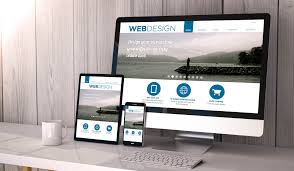
One of the key aspects of modern web design is responsiveness. With the increasing use of mobile devices, websites must be designed to be accessible and user-friendly on various screen sizes. Responsive design ensures that a website adapts seamlessly to different devices, providing a consistent user experience across desktops, tablets, and smartphones.
Another important trend in modern web design is minimalism. Clean layouts, ample white space, and simple navigation are hallmarks of minimalist design. By focusing on essential elements and decluttering unnecessary features, minimalist websites offer a streamlined and intuitive browsing experience for users.
Furthermore, modern web design places a strong emphasis on user experience (UX) and user interface (UI) design. UX design focuses on understanding user behaviour and creating websites that are easy to navigate and engaging to interact with. UI design focuses on the visual elements of a website, such as colours, typography, and imagery, to create an aesthetically pleasing interface that enhances usability.
As technology continues to advance, modern web design incorporates innovative features such as animation, microinteractions, parallax scrolling, and immersive multimedia content. These elements add depth and interactivity to websites, captivating users’ attention and creating memorable browsing experiences.
In conclusion, modern web design is a dynamic field that continues to evolve with changing technologies and trends. By embracing responsive layouts, minimalist aesthetics, UX/UI principles, and innovative features, designers can create websites that not only look visually appealing but also deliver exceptional functionality and user experience.
Essential Tips for Modern Web Design: Enhancing User Experience and Engagement
- Prioritize mobile responsiveness for a seamless user experience on all devices.
- Use clean and minimalist design to enhance readability and visual appeal.
- Optimize website loading speed for improved user engagement and SEO ranking.
- Incorporate intuitive navigation to help users easily find information on your site.
- Utilize high-quality images and multimedia to captivate visitors and convey your message effectively.
- Ensure accessibility features are in place to accommodate users with disabilities.
- Implement strong security measures to protect user data and build trust with your audience.
- Integrate social media buttons for easy sharing of content across platforms.
- Regularly update and maintain your website to keep it current and relevant.
Prioritize mobile responsiveness for a seamless user experience on all devices.
In modern web design, prioritizing mobile responsiveness is crucial to ensure a seamless user experience across all devices. With the increasing use of smartphones and tablets for browsing the internet, it is essential that websites are designed to adapt and function optimally on various screen sizes. By focusing on mobile responsiveness, designers can create websites that are user-friendly, visually appealing, and easy to navigate on any device, ultimately enhancing the overall browsing experience for users.
Use clean and minimalist design to enhance readability and visual appeal.
In modern web design, utilising clean and minimalist design principles can significantly enhance both readability and visual appeal. By keeping layouts uncluttered, incorporating ample white space, and focusing on essential elements, websites can offer a seamless browsing experience that is easy on the eyes and engaging for users. Minimalist design not only improves readability by making content more digestible but also contributes to a sleek and contemporary aesthetic that resonates with today’s digital audience. Embracing simplicity in design can elevate the overall user experience and leave a lasting impression on visitors.
Optimize website loading speed for improved user engagement and SEO ranking.
In modern web design, it is crucial to optimise website loading speed to enhance user engagement and improve SEO ranking. A fast-loading website not only provides users with a seamless browsing experience but also increases the likelihood of retaining their attention and encouraging them to explore further. Additionally, search engines like Google consider page loading speed as a ranking factor, meaning that faster websites are more likely to rank higher in search results. By prioritising website loading speed optimisation through techniques such as image compression, minifying code, and leveraging browser caching, web designers can create a more efficient and user-friendly online environment that benefits both users and SEO performance.
Incorporate intuitive navigation to help users easily find information on your site.
In modern web design, it is crucial to incorporate intuitive navigation to enhance the user experience and facilitate easy access to information on your site. By implementing clear and user-friendly navigation menus, breadcrumbs, search functionality, and intuitive links, you can guide users seamlessly through your website and help them find the content they are looking for efficiently. Intuitive navigation not only improves usability but also contributes to higher engagement and satisfaction levels among visitors, ultimately leading to a more successful online presence.
Utilize high-quality images and multimedia to captivate visitors and convey your message effectively.
In modern web design, it is essential to utilise high-quality images and multimedia to captivate visitors and effectively convey your message. Visual content plays a crucial role in engaging users and creating a memorable browsing experience. By incorporating stunning images, videos, animations, and other multimedia elements, you can not only capture the attention of your audience but also communicate your brand story and key messages in a compelling and visually appealing manner. High-quality visuals can enhance the overall aesthetics of your website, evoke emotions, and leave a lasting impression on visitors, ultimately leading to increased user engagement and conversions.
Ensure accessibility features are in place to accommodate users with disabilities.
In modern web design, it is crucial to ensure that accessibility features are implemented to accommodate users with disabilities. By incorporating features such as alt text for images, keyboard navigation options, colour-contrast adjustments, and screen reader compatibility, web designers can create a more inclusive online experience for all users. Prioritising accessibility not only enhances usability for individuals with disabilities but also improves overall user experience and demonstrates a commitment to diversity and inclusivity in web design practices.
Implement strong security measures to protect user data and build trust with your audience.
In modern web design, it is crucial to implement strong security measures to safeguard user data and establish trust with your audience. By prioritising data protection through encryption, secure authentication methods, and regular security audits, you demonstrate a commitment to safeguarding users’ privacy and sensitive information. Building a secure website not only protects your users from potential cyber threats but also enhances your credibility as a trustworthy online entity. Prioritising security in web design not only protects your users from potential cyber threats but also enhances your credibility as a reliable and responsible digital platform.
Integrate social media buttons for easy sharing of content across platforms.
In modern web design, integrating social media buttons is a valuable tip to enhance user engagement and expand the reach of content across various platforms. By incorporating social media buttons on websites, users can easily share interesting articles, products, or services with their network, increasing visibility and driving traffic back to the website. This seamless sharing functionality not only encourages interaction but also promotes brand awareness and establishes a strong online presence in today’s interconnected digital landscape.
Regularly update and maintain your website to keep it current and relevant.
Regularly updating and maintaining your website is essential in modern web design to ensure it remains current and relevant to your audience. By regularly refreshing content, checking for broken links, updating plugins, and implementing the latest design trends, you can enhance user experience, improve search engine rankings, and showcase your commitment to providing valuable information. Keeping your website up-to-date not only reflects positively on your brand but also helps you stay ahead of the competition in the ever-evolving digital landscape.
