
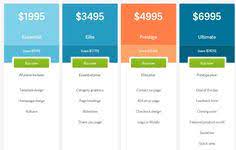
E-commerce Website Packages: Choosing the Right Solution for Your Business
A well-built e-commerce website can help your business reach more customers, showcase products and take orders online. Whether you are launching your first online shop or upgrading an existing one, an e-commerce website package can bring together the design, technology and support needed to get started.
Packages vary in what they include, so it is worth looking beyond the headline price. The right option should suit your products, budget and plans for growth, while giving customers a simple and secure way to shop.
What is an e-commerce website package?
An e-commerce website package is a collection of services and features used to build and launch an online shop. Depending on the provider and package, it may include website design, shop setup, product pages, payment configuration, delivery options and training.
Some packages use a ready-made theme that can be adapted to your brand. Others offer a more bespoke design and tailored functionality. Ongoing services, such as hosting, maintenance and technical support, may be included or charged separately.
Common features to look for
Before comparing packages, consider which features your business needs. These are some of the essentials to check:
- Mobile-friendly design: Your shop should work smoothly on phones, tablets and desktop computers.
- Product and category pages: Customers should be able to browse products, view clear descriptions and find useful information such as sizes, materials or specifications.
- Secure checkout: A straightforward checkout can help customers complete their orders with confidence.
- Payment options: Check which payment providers and methods can be supported.
- Delivery settings: Make sure the package can accommodate your delivery areas, charges and fulfilment process.
- Stock management: Tools for tracking inventory can make it easier to manage availability and orders.
- Search and filters: These can help customers find products quickly, especially in larger shops.
- Analytics: Reporting tools can show how visitors use your website and where sales come from.
- Search engine foundations: Editable page titles, descriptions and clean website structure can support your wider search visibility efforts.
Types of e-commerce packages
Starter packages
A starter package may suit a new or small business with a limited product range. It will typically focus on the essential pages and basic shop functions. This can be a practical way to begin selling online, provided the package can accommodate your payment, delivery and product requirements.
Growth packages
A growth package may offer more design flexibility, a larger product catalogue, additional integrations or stronger reporting tools. It can be a good fit for businesses that already have an established customer base or expect their online shop to expand.
Bespoke packages
A bespoke e-commerce website is designed around specific business needs. It may be appropriate if you require custom features, complex product options, connections to other systems or a distinctive customer journey. Bespoke projects usually require more planning and investment, so make sure the scope is clearly defined before work begins.
How much do e-commerce website packages cost?
Costs depend on the platform, design approach, number of products, required features and level of ongoing support. A lower-cost package may cover the initial setup but exclude services such as copywriting, product uploads, maintenance or payment-provider fees. A more comprehensive package may include more of these services, but it is still important to check precisely what is covered.
Ask for a breakdown of the costs, including any recurring charges. These might include hosting, platform subscriptions, domain renewal, paid extensions, transaction fees and future support. Understanding the full cost of ownership can help you compare options fairly.
Questions to ask before choosing a package
- Which design, development and setup services are included?
- How many products or pages are covered?
- Can the website be updated as the business grows?
- Who will own the domain, website content and design files?
- Are hosting, maintenance and support included?
- Can the shop connect to accounting, stock or delivery systems?
- Will you receive training to manage products and orders?
- What happens if you need changes after launch?
Choosing the right package
Start by listing your must-have requirements, then separate them from features that would be useful later. Think about your current product range, how orders will be fulfilled and how you expect the business to develop. This makes it easier to choose a package that meets your immediate needs without paying for functionality you are unlikely to use.
It is also worth reviewing examples of previous work and asking how the provider approaches planning, testing and launch. A successful online shop is not only about appearance: it should be easy to navigate, reliable on mobile devices and straightforward for your team to manage.
Build a strong foundation for online sales
The right e-commerce website package can provide a solid starting point for selling online. Compare the features, ongoing costs and support on offer, and make sure the solution fits the way your business works. With a clear plan and a customer-friendly website, you can create an online shop that is ready to serve your customers and grow with your business.
9 Tips for Choosing the Right Ecommerce Website Package
- Compare package features before choosing.
- Check transaction and monthly fees.
- Look for secure payment options.
- Choose a package that can scale.
- Check whether hosting is included.
- Confirm support hours and response times.
- Look for built-in SEO tools.
- Ensure templates work well on mobile.
- Review cancellation terms before signing up.
Compare package features before choosing.
Compare the features included in each e-commerce website package before making a decision. Check whether essentials such as mobile-friendly design, secure checkout, payment options, product and stock management, delivery settings and ongoing support are covered. Look closely at what costs extra, too, so you can compare packages fairly and choose one that fits your needs and budget.
Check transaction and monthly fees.
Before choosing an e-commerce website package, check both the monthly costs and any transaction fees. A package with a low subscription price may charge a percentage of each sale, while payment providers, apps or add-ons may have separate fees. Compare the full costs based on your expected sales volume, and check whether charges vary by payment method, so you can budget accurately and avoid surprises as your shop grows.
Look for secure payment options.
When comparing e-commerce website packages, check that they support secure, trusted payment options. A familiar and straightforward checkout helps customers feel confident when entering their details, while encryption and reputable payment providers help protect sensitive information. Ask which payment methods are available, whether payment processing fees apply and how security updates are managed.
Choose a package that can scale.
Choose an e-commerce website package that can scale as your business grows. You may start with a small product range and a modest number of orders, but your needs could change over time. Look for a package that makes it easy to add products, support more customers, connect new tools and introduce features without rebuilding your website from scratch. This can help you avoid unnecessary costs and keep your online shop ready for future growth.
Check whether hosting is included.
Check whether hosting is included in your e-commerce website package, as this affects both the overall cost and how your shop is managed. If hosting is provided, ask what it covers, such as security updates, backups, performance and technical support. If it is not included, you will need to arrange hosting separately and make sure it meets the platform’s requirements.
Confirm support hours and response times.
Before choosing an e-commerce website package, confirm when support is available and how quickly you can expect a response. Check whether help is offered during UK business hours, evenings or weekends, and whether urgent issues such as checkout problems receive priority. Clear support hours and response-time expectations can help you plan with confidence and minimise disruption when your online shop needs attention.
Look for built-in SEO tools.
Look for built-in SEO tools that make it easier to optimise your online shop for search engines. Useful features may include editable page titles and meta descriptions, customisable URLs, image alt text and automatic XML sitemaps. These tools can help you present your products clearly in search results and give your website a stronger foundation for attracting organic traffic.
Ensure templates work well on mobile.
Choose an e-commerce website package with templates that work well on mobile devices. Many customers browse and shop on their phones, so product pages, menus and checkout should be easy to use on a smaller screen. Check that text is readable, images resize properly and buttons are simple to tap. A smooth mobile experience can make it easier for customers to complete their purchase.
Review cancellation terms before signing up.
Before signing up for an e-commerce website package, review the cancellation terms carefully. Check how much notice you need to give, whether early-exit fees apply and what happens to your website, domain, data and product information if you leave. Understanding these details upfront can help you avoid unexpected costs and make sure you can move to another provider if your needs change.
