
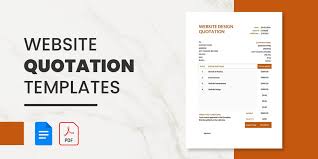
Web Design Quotation: What to Expect and How to Compare Your Options
A web design quotation gives you a clearer idea of what a website project will cost, what work is included and how long it is likely to take. Whether you are launching a new business website or updating an existing one, understanding the quotation can help you choose the right supplier and avoid unexpected costs.
Prices and processes vary between web design agencies and freelancers, so it is worth looking beyond the total figure. A useful quotation should explain the work involved, the responsibilities of each party and what happens after the website goes live.
What should a web design quotation include?
A detailed quotation should describe the project in plain language. It may cover:
- Project scope: the number and type of pages, such as a home page, service pages, an about page and a contact page.
- Design: whether the site will use a template, be customised or be designed from scratch.
- Development: the features and functionality to be built, such as forms, booking tools, product listings or payment facilities.
- Content: whether writing, editing, photography or image sourcing is included.
- Mobile responsiveness: how the website will adapt to phones, tablets and desktop screens.
- Search engine basics: whether items such as page titles, metadata, redirects and XML sitemaps are part of the work.
- Testing and launch: what checks will be carried out before the website goes live.
- Training and support: whether you will receive guidance on updating the site, and what support is available after launch.
- Costs and payment terms: the total price, payment schedule, VAT position and any recurring charges.
The quotation should also set out any exclusions. For example, copywriting, premium plugins, domain registration, hosting, ongoing maintenance or third-party software subscriptions may be charged separately.
What affects the cost of a website?
There is no single price for web design because projects differ in size and complexity. A straightforward brochure website usually requires less time than a large e-commerce site or a platform with bespoke features.
Common factors that influence the quotation include:
- Number of pages: more pages generally mean more design, content and development work.
- Design requirements: a bespoke visual identity and custom page layouts may take longer than adapting an existing theme.
- Functionality: online payments, appointment booking, customer accounts, search tools and integrations can add complexity.
- Content readiness: supplying approved copy and images can help keep a project moving. If the supplier needs to create or organise content, this may affect the price and schedule.
- Existing website or data: migrating content, products or customer information can require additional work.
- Accessibility and technical requirements: projects may need extra checks or development to meet specific standards and business needs.
- Ongoing services: hosting, updates, security monitoring and support may be offered as separate monthly or annual services.
How to compare web design quotations
When comparing quotations, make sure each supplier is pricing the same scope of work. One quote might include content writing, training and several rounds of revisions, while another covers design and development only. A lower headline price may not represent better value if essential items are missing.
Consider asking each supplier:
- What exactly is included in the quoted price?
- How many design revisions are included?
- Who will provide and approve the website content?
- Will the site be built on a content management system, and will we be able to update it ourselves?
- Who owns the design, website files and content once the project is paid for?
- Are hosting, domain costs, licences or maintenance included?
- What could cause additional charges?
- What is the estimated timeline, and what will be needed from us?
It is also sensible to review the supplier’s previous work and check whether their communication style feels clear and reliable. A good working relationship matters, particularly if the project involves decisions and feedback over several weeks.
Quotation, estimate or proposal?
These terms are sometimes used interchangeably, but they can mean different things. A quotation is typically a defined price for an agreed scope of work. An estimate is an indication of likely cost and may change as the project becomes clearer. A proposal often explains the supplier’s recommended approach, alongside pricing and project details.
Before accepting, check whether the price is fixed or subject to change, how changes to the agreed scope will be handled and whether the quotation has an expiry date.
How to prepare for a quotation
You do not need a complete technical specification to request a web design quotation, but a clear brief helps suppliers price the work accurately. Share information about your business, your goals for the website, your intended audience and any features you need.
If possible, include examples of websites you like and explain what appeals to you about them. Be clear about whether you already have a domain, hosting, brand guidelines, text and images. It is also useful to mention any deadline, although a realistic schedule depends on the project scope and how quickly decisions and content are provided.
Choose clarity as well as price
A web design quotation should make it easy to understand what you are buying. Look for a clear scope, transparent costs, realistic timings and a straightforward process for handling changes. Comparing those details alongside the price will help you make a confident decision and give your website project a stronger start.
9 Essential Tips for Requesting a Web Design Quote
- Define the project scope clearly.
- List every required page and feature.
- Ask for an itemised price breakdown.
- Check whether VAT is included.
- Confirm payment stages and due dates.
- Ask what is excluded from the quote.
- Compare timelines as well as prices.
- Agree how extra work will be charged.
- Get the final quote in writing.
Define the project scope clearly.
Define the project scope clearly before requesting a web design quotation. Set out what the website needs to achieve, how many pages it will have, which features are required and whether content, images, hosting or ongoing support should be included. A clear brief helps designers price the work accurately, makes it easier to compare quotations and reduces the risk of misunderstandings or unexpected costs later.
List every required page and feature.
List every page and feature you need before requesting a web design quotation. Include standard pages such as Home, About and Contact, along with any extras such as a blog, booking system, online shop or customer login. A clear list helps the designer understand the project, provide a more accurate price and identify potential costs early, reducing the risk of unexpected changes later.
Ask for an itemised price breakdown.
Ask for an itemised price breakdown so you can see exactly what each part of the project costs, from design and development to content, testing and ongoing support. This makes it easier to compare quotations fairly, understand what is included and spot any extra charges before work begins. If anything is unclear, ask the web designer to explain it and confirm which costs are one-off and which may recur.
Check whether VAT is included.
Check whether VAT is included in the quoted price, as this can make a significant difference to your final cost. A quotation should clearly state if VAT is included or will be added, and show the applicable rate where relevant. If anything is unclear, ask the designer or agency to confirm the total amount payable before you agree to proceed.
Confirm payment stages and due dates.
Confirm the payment stages and due dates before agreeing to a web design quotation. The supplier may request a deposit, staged payments as work progresses, and a final payment at launch or completion. Make sure the amounts, deadlines and payment conditions are clearly documented, including what happens if the project changes or is delayed. This helps both parties plan ahead and avoids confusion about when invoices are due.
Ask what is excluded from the quote.
Ask what is excluded from the quote before agreeing to proceed. Costs for copywriting, photography, hosting, domain registration, premium software, ongoing maintenance or extra revisions may sit outside the quoted price and add up quickly. Request a clear list of exclusions and check how any additional work will be priced, so you can budget accurately and avoid surprises later.
Compare timelines as well as prices.
When comparing web design quotations, look at the proposed timelines as well as the prices. A lower-cost quote may take longer to complete, while a faster schedule might depend on you providing content and feedback promptly. Check what each milestone includes, when your input is needed and whether the timeline allows for testing and revisions. A realistic schedule helps you plan your launch and compare each supplier on a like-for-like basis.
Agree how extra work will be charged.
Agree in advance how any extra work will be charged, as requests outside the original brief can affect both the cost and timescale of a web design project. Ask your designer to explain what counts as additional work, whether it will be charged at an hourly or fixed rate, and how they will seek your approval before proceeding. This helps prevent unexpected costs and ensures everyone is clear about changes to the agreed scope.
Get the final quote in writing.
Always get the final web design quotation in writing before work begins. A written quote should confirm the agreed scope, total cost, payment schedule, timescale and any services or expenses not included. It also gives both you and the designer a clear reference if requirements change or questions arise later. Check the details carefully and ask for any unclear points to be explained before approving the project.
