
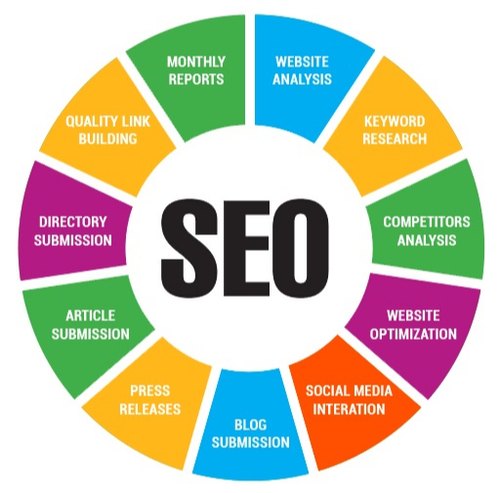
SEO and Internet Marketing: Building a Stronger Online Presence
For businesses of every size, being easy to find online can make a real difference. Search engine optimisation (SEO) and internet marketing help organisations reach potential customers, share useful information and encourage people to take the next step—whether that is making an enquiry, booking a service or placing an order.
What is SEO?
SEO is the process of improving a website so that it can be discovered more easily through search engines such as Google. It involves making a site helpful to visitors, straightforward to navigate and clear about the products or services it offers.
SEO typically includes several areas:
- Technical SEO: Helping search engines access and understand a website, while improving factors such as mobile usability, page speed and site security.
- On-page SEO: Creating clear page titles, headings and content that answer visitors’ questions and accurately describe each page.
- Content: Publishing useful, original information that demonstrates experience and gives people a reason to visit and return.
- Off-page SEO: Building the website’s reputation through relevant mentions, links and relationships with trusted sites.
- Local SEO: Helping a business appear in local searches by keeping its contact details and business information accurate and consistent.
What does internet marketing include?
Internet marketing is a broad term for promoting a business through digital channels. SEO is one part of it, alongside activities such as paid search advertising, social media marketing, email campaigns and online content.
Each channel has a different role. Paid advertising can bring visibility quickly, while SEO can help attract relevant visitors over time. Social media can support brand awareness and conversation, and email marketing can help a business keep in touch with people who have chosen to hear from it.
Why combine SEO and internet marketing?
Using SEO alongside other marketing activity can create a more joined-up approach. Search data may reveal the questions customers are asking, which can inform website content, social posts and email campaigns. In turn, helpful content shared through other channels may introduce new people to a business and encourage them to explore its website.
A balanced strategy also reduces reliance on a single source of traffic. Search rankings can change, advertising costs can rise and social platforms can alter how content is shown. A mix of channels gives businesses more ways to reach and engage their audience.
Start with your audience and goals
Effective marketing begins with understanding who you want to reach. Consider what your prospective customers need, the language they use when searching and the information they need before making a decision. Then set clear goals, such as increasing relevant website visits, generating enquiries or improving online sales.
These goals should guide the choice of keywords, content topics and marketing channels. Rather than trying to appear for every possible search, focus on terms that are relevant to your services and likely to attract the right audience.
Create content that is genuinely useful
Good SEO content is written for people first. It should be accurate, easy to understand and focused on a real need. Service pages can explain what a business offers, who it helps and what customers can expect. Articles and guides can answer common questions or provide practical advice.
Search phrases can help shape a page, but they should fit naturally into the writing. Repeating keywords excessively can make content difficult to read and does not provide a good experience for visitors. Clear information, a logical structure and useful detail are more valuable than writing solely to satisfy a search engine.
Make the website work well
Marketing can bring people to a website, but the site itself needs to make it easy for them to take action. Pages should load promptly, work well on mobile devices and use clear navigation. Important information—such as services, contact details and next steps—should be easy to find.
Calls to action should be direct and appropriate. Depending on the business, that might mean inviting visitors to request a quote, make a booking, call the team or sign up for updates.
Measure, learn and improve
SEO and internet marketing are ongoing activities. Website analytics, search performance data and customer feedback can help show what is working and where improvements may be needed. Look beyond visitor numbers: the quality of visits and whether they lead to meaningful actions are equally important.
Results often take time, particularly with SEO, so regular reviews are more useful than reacting to short-term changes. Test improvements carefully, keep content up to date and adjust the strategy as your audience and business priorities evolve.
A long-term investment in growth
SEO and internet marketing are most effective when they work together as part of a clear plan. By understanding your audience, creating useful content, maintaining a well-structured website and measuring performance, your business can build a stronger online presence and reach potential customers more effectively.
17 Common Questions About SEO and Internet Marketing Explained
- What is Internet marketing in SEO?
- How to use SEO in online marketing?
- What is the meaning of SEO on Fiverr?
- What is the role of SEO in internet marketing?
- What are the 3 types of SEO?
- Does SEO come under digital marketing?
- What are the 7 types of SEO?
- What is SEO marketing strategy?
- What is SEO & How it works?
- What is Internet marketing SEO?
- What is SEO and how it works?
- What is the importance of SEO in Internet marketing?
- How Internet marketing is different from SEO marketing?
- What is SEO marketing and how it works?
- What is SEO and how does it work?
- What is SEO in marketing?
- What is meant by Internet marketing?
What is Internet marketing in SEO?
Internet marketing in SEO refers to using search engine optimisation as part of a wider digital marketing strategy to help people find a business online. It includes improving a website’s content, structure and technical performance so it can appear more prominently in relevant search results and attract visitors who are looking for related products, services or information. Unlike paid advertising, SEO focuses on earning organic visibility over time, though it can work alongside other online channels such as social media, email and paid search.
How to use SEO in online marketing?
Use SEO in online marketing by making your website easy to find, understand and use. Research the words and questions your potential customers search for, then create helpful pages and content that answer them clearly. Optimise page titles, headings, descriptions and images, and make sure your site works well on mobile devices and loads quickly. Combine SEO with other channels, such as email, social media and paid advertising, to reach people at different stages of their journey. Track relevant results—such as qualified visits, enquiries and sales—and use them to improve your approach over time.
What is the meaning of SEO on Fiverr?
On Fiverr, SEO (search engine optimisation) refers to services offered by freelancers to help improve a website’s visibility in search engine results. These services may include keyword research, on-page optimisation, technical checks, content advice and link-building. The exact work varies between sellers, so check each gig’s description, experience and deliverables before ordering. SEO usually takes time, and no freelancer can guarantee a particular ranking or a specific result.
What is the role of SEO in internet marketing?
SEO plays a key role in internet marketing by helping a website appear in relevant, unpaid search results. By improving a site’s content, structure and technical performance, businesses can make it easier for search engines and potential customers to understand what they offer. This can attract more relevant visitors, build visibility and trust, and support other marketing activities such as content, social media and paid advertising.
What are the 3 types of SEO?
The three main types of SEO are on-page, off-page and technical SEO. On-page SEO focuses on improving the content and elements on your website, such as page titles, headings and internal links. Off-page SEO involves building your website’s reputation beyond its own pages, often through relevant links and mentions from other trusted websites. Technical SEO helps search engines crawl and understand your site, while improving aspects such as page speed, mobile usability and site security. Together, these areas support a website that is easier to find and use.
Does SEO come under digital marketing?
Yes, SEO comes under digital marketing. It is the practice of improving a website’s visibility in unpaid search engine results, helping people find relevant products, services or information. SEO is one part of a broader digital marketing strategy, alongside activities such as paid advertising, social media, email marketing and content marketing.
What are the 7 types of SEO?
The seven commonly recognised types of SEO are on-page SEO, which improves the content and elements on individual pages; off-page SEO, which builds a site’s reputation through relevant links and mentions; technical SEO, which helps search engines crawl and index a website; local SEO, which targets searches in a particular area; international SEO, which supports visibility across different countries and languages; e-commerce SEO, which helps online shops and product pages appear in search results; and content SEO, which focuses on creating useful, relevant material for the intended audience. These categories can overlap, and the exact grouping may vary between SEO professionals.
What is SEO marketing strategy?
An SEO marketing strategy is a planned approach to improving a website’s visibility in organic search results and attracting relevant visitors. It typically involves researching the terms your audience uses, creating helpful and well-structured content, improving technical aspects such as page speed and mobile usability, and earning trust through reputable links and mentions. A strong strategy is based on clear business goals, focuses on the needs of potential customers and is reviewed regularly using performance data, as SEO results usually take time to build.
What is SEO & How it works?
SEO, or search engine optimisation, is the process of improving a website so it is easier for people to find through search engines such as Google. It works by helping search engines discover and understand your pages, then assess how relevant and useful they are for a search. This can involve creating clear, helpful content, using relevant search terms naturally, improving your website’s structure and mobile experience, and earning links from reputable websites. SEO is an ongoing process, and results can take time as search engines regularly review and update their rankings.
What is Internet marketing SEO?
Internet marketing SEO is the practice of improving a website so it is more likely to appear in relevant search engine results and attract potential customers. It combines techniques such as researching search terms, creating useful content, improving website structure and earning links from reputable sites. As part of a wider internet marketing strategy, SEO can help businesses increase online visibility and bring more relevant visitors to their website over time.
What is SEO and how it works?
SEO, or search engine optimisation, is the process of improving a website so that it is more visible in relevant search results. It works by helping search engines discover, understand and assess your pages, while making the site useful and easy to navigate for visitors. This can involve creating helpful content, using clear page titles and headings, improving mobile usability and loading speed, and earning links from reputable websites. SEO is an ongoing process, and results typically take time as search engines update their understanding of a site and its relevance to people’s searches.
What is the importance of SEO in Internet marketing?
SEO is important in internet marketing because it helps potential customers find your website when they search online for relevant products, services or information. By improving your site’s content, structure and performance, SEO can attract more relevant organic traffic, build trust and support enquiries or sales over time. It also helps businesses understand what their audience is looking for, making it easier to create useful content and strengthen other marketing activities. Unlike paid advertising, organic SEO results do not require payment for each click, although achieving and maintaining them takes ongoing effort.
How Internet marketing is different from SEO marketing?
Internet marketing is the broad promotion of a business online, using channels such as social media, email, paid advertising, content and search engines. SEO marketing is one part of internet marketing, focused specifically on improving a website’s visibility in unpaid search results. In short, internet marketing can use several channels to reach customers, while SEO concentrates on attracting relevant visitors through organic search.
What is SEO marketing and how it works?
SEO marketing is the practice of improving a website so that it is more likely to appear in relevant, unpaid search results. It works by making the site easier for search engines to find and understand, while providing useful, well-organised content for visitors. This can involve researching the phrases people search for, improving page titles and content, making the website fast and mobile-friendly, and building its reputation through reputable links and mentions. SEO is an ongoing process: search performance is monitored and the website is refined over time to attract relevant visitors and support business goals.
What is SEO and how does it work?
SEO, or search engine optimisation, is the process of improving a website so it is more likely to appear in relevant search results. It works by helping search engines discover, understand and assess your pages, while making them more useful for visitors. This can involve creating clear, helpful content, using relevant search terms naturally, improving site speed and mobile usability, and earning links and mentions from trusted websites. SEO is an ongoing process, and results can take time as search engines respond to improvements and changes in how people search.
What is SEO in marketing?
SEO, or search engine optimisation, is the part of marketing that helps a website appear more prominently in unpaid search results. It involves improving a site’s content, structure and technical performance so search engines can understand it and people can find useful answers to their searches. Effective SEO can attract relevant visitors, build trust and support business goals over time.
What is meant by Internet marketing?
Internet marketing is the promotion of a business, product or service through online channels. It can include search engine optimisation (SEO), paid search advertising, social media, email marketing and content creation. The aim is to reach relevant audiences, build awareness and encourage actions such as making an enquiry or purchase.
