
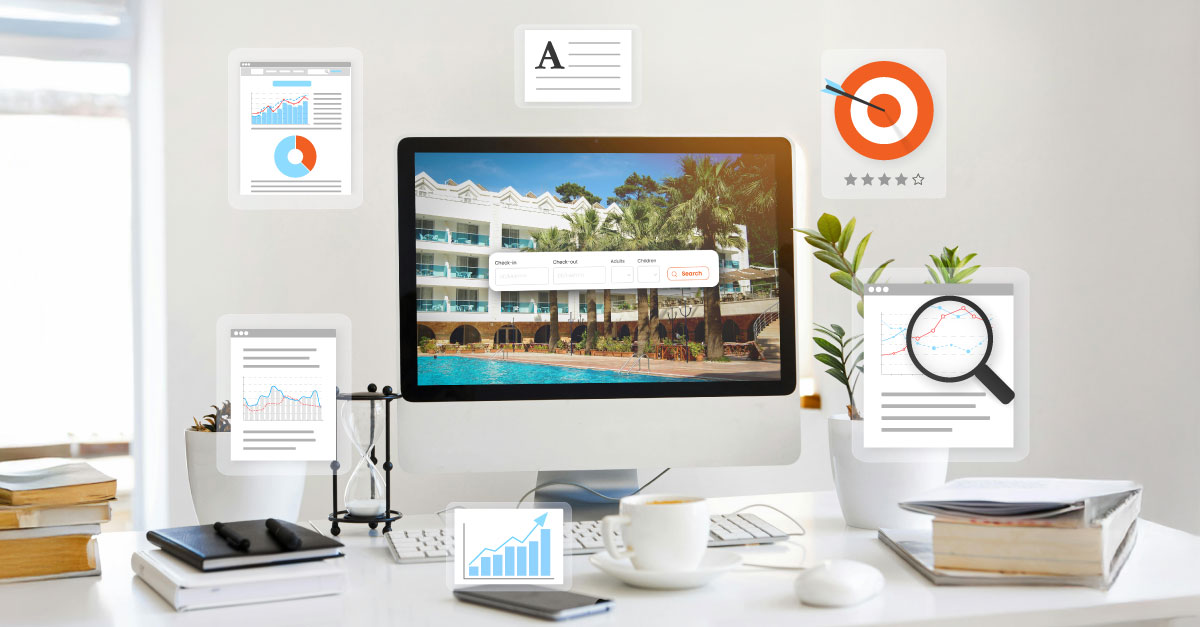
Hotel Internet Marketing: A Practical Guide to Reaching More Guests
For hotels, a strong online presence can make it easier for travellers to discover a property, compare their options and book with confidence. Hotel internet marketing brings together the digital channels and activities that help a hotel connect with potential guests throughout their travel-planning journey.
From a clear, mobile-friendly website to engaging social media content, each part of a hotel’s online presence can contribute to a consistent and helpful guest experience. The most effective approach is not simply to be visible everywhere, but to reach the right audience with useful information and a straightforward route to booking.
Build a website that supports direct bookings
A hotel website is often one of the first places prospective guests visit after hearing about a property. It should quickly answer their key questions: where the hotel is, what it offers, how much a stay might cost and how to make a reservation.
Use clear descriptions, high-quality photographs and up-to-date information about rooms, facilities, accessibility, dining, parking and local attractions. Make the booking process easy to follow on both desktop and mobile devices, with prominent calls to action and as few unnecessary steps as possible.
Clear policies can also help guests make informed decisions. Explain cancellation terms, check-in arrangements and any additional charges before the booking is completed. A well-organised website can improve the guest experience while giving the hotel more opportunities to encourage direct reservations.
Improve visibility in search engines
Search engine optimisation (SEO) helps a hotel appear in relevant search results. Begin with the phrases potential guests are likely to use, such as the hotel’s location, accommodation type and facilities. These can inform the wording of page titles, headings and website copy, provided the language remains natural and genuinely useful.
Local SEO is particularly important for hotels. Keep the property’s name, address, telephone number and opening information consistent across its website and online listings. Maintain an accurate business profile on Google, including photographs, amenities, contact details and a link to the booking page.
Useful local content can support both search visibility and trip planning. For example, a hotel might publish practical guides to nearby transport, seasonal events, business districts or places of interest. Content should be accurate and kept up to date.
Make online travel listings work for you
Online travel agencies (OTAs) can introduce a hotel to travellers who may not have found it otherwise. Listings on these platforms should be complete, consistent and appealing. Check room descriptions, photographs, facilities, availability and policies regularly to reduce confusion and mismatched expectations.
OTAs are one part of a wider distribution strategy. Hotels can review how bookings arrive through different channels and consider the costs, reach and operational requirements of each. A hotel website should remain easy to find and use, giving guests a clear option to book directly.
Use social media to show the guest experience
Social media gives hotels a way to share the character of their property and its surroundings. Content might include room and restaurant photography, local recommendations, staff introductions, seasonal updates and information about events. A consistent tone and visual style help make the hotel recognisable.
Social channels are also useful for responding to questions and engaging with guests. Replies should be prompt, polite and in keeping with the hotel’s wider customer-service standards. Before sharing guest photographs or personal details, obtain permission.
Manage reviews and reputation
Reviews can influence how travellers assess a hotel. Encourage guests to share honest feedback through appropriate channels, without pressuring them or offering incentives in exchange for positive reviews. Monitor major review platforms and respond constructively to both praise and criticism.
A good response acknowledges the guest’s experience, addresses any relevant points and avoids sharing private booking information publicly. Where a concern needs further investigation, invite the guest to continue the conversation through a suitable private channel.
Review feedback can also reveal recurring issues. If guests repeatedly mention the same concern, the information may help the hotel identify an opportunity to improve its service or clarify details on its website.
Use email marketing thoughtfully
Email can help hotels stay in touch with past guests and share relevant offers, news or seasonal information. Build mailing lists with clear consent, explain what subscribers can expect and make it easy to unsubscribe. Follow applicable UK data protection and electronic marketing rules.
Personalisation should be useful rather than intrusive. Messages can be grouped by factors such as previous stays or expressed interests, where appropriate and permitted. Keep emails concise, include a clear next step and ensure that links work well on mobile devices.
Consider paid digital advertising
Paid search and social advertising can help a hotel reach people searching for accommodation or planning a trip to a particular area. Campaigns work best when they have a defined audience, a clear budget and a relevant landing page. For example, an advert promoting a dining package should lead to a page that explains the offer and its terms.
Track the results of each campaign, including clicks, enquiries and completed bookings where measurement is available. Regularly review performance and adjust targeting, creative material or landing pages based on evidence rather than assumptions.
Measure what matters
Hotel internet marketing is more effective when decisions are informed by reliable data. Useful measures may include website visits, booking enquiries, direct bookings, conversion rates, advertising costs and the performance of individual traffic sources.
Analytics should be set up with appropriate privacy safeguards and in line with relevant requirements. Look beyond the number of visitors: a smaller group of well-matched travellers may be more valuable than a large volume of unqualified traffic.
Create a joined-up marketing strategy
A hotel’s digital channels should work together. Search listings, the website, social media, email, paid advertising and booking platforms should present consistent information about the property. Photographs, descriptions, prices and policies should be checked regularly, especially when services or offers change.
Start with the hotel’s goals and the needs of its target guests. A city-centre business hotel, a rural inn and a family resort will have different audiences and priorities. By combining useful content, a straightforward booking experience, thoughtful guest communication and regular performance reviews, hotels can build a more effective internet marketing strategy over time.
Top 6 FAQs on Effective Hotel Internet Marketing Strategies
- What is hotel internet marketing?
- How can hotels attract more direct bookings online?
- Which digital marketing channels are most effective for hotels?
- How can a hotel improve its visibility in local search results?
- How should hotels manage online reviews and their reputation?
- How can hotels measure the success of their internet marketing?
What is hotel internet marketing?
Hotel internet marketing is the use of online channels to promote a hotel, connect with potential guests and encourage bookings. It can include a hotel website and booking system, search engine optimisation, online travel agency listings, social media, email campaigns, digital advertising and review management. Together, these activities help travellers discover the hotel, learn about its rooms and services, compare options and make an informed reservation.
How can hotels attract more direct bookings online?
Hotels can attract more direct bookings by making their website easy to find, fast to use and simple to book through on mobile and desktop. Use clear room descriptions, high-quality photographs, up-to-date prices and policies, and a prominent booking button. Improve local search visibility with accurate business listings and useful content about the hotel and its area. Encourage past guests to leave honest reviews, and use email or targeted advertising to share relevant offers. Highlight the benefits of booking directly, such as flexible terms or exclusive extras, while ensuring these are clearly explained and genuinely valuable.
Which digital marketing channels are most effective for hotels?
The most effective digital marketing channels for hotels depend on the property, its target guests and its location. A well-optimised website with a simple booking process is essential, while search engine optimisation and local listings help travellers find the hotel when researching accommodation. Online travel agencies can extend reach, and social media, email marketing and paid search or social adverts can support awareness, repeat visits and bookings. Hotels should monitor where enquiries and reservations come from, then focus investment on the channels that best meet their goals.
How can a hotel improve its visibility in local search results?
A hotel can improve its visibility in local search results by keeping its Google Business Profile complete and accurate, including its address, contact details, opening information, facilities and high-quality photos. Use consistent hotel details across the website and trusted online directories, and create useful website content featuring the property’s location and nearby attractions. Encourage guests to leave honest reviews and respond to them professionally. Regularly check that information such as room details, availability and policies is up to date, so potential guests can find reliable answers when planning their stay.
How should hotels manage online reviews and their reputation?
Hotels should monitor review platforms regularly and respond promptly, politely and professionally to both positive and negative feedback. Thank guests for sharing their experience, address specific concerns without becoming defensive, and invite dissatisfied guests to continue the conversation privately where appropriate. Use recurring feedback to identify service improvements, and keep responses consistent with the hotel’s tone and standards. Encourage honest reviews through suitable channels, but never pressure guests or offer incentives for positive feedback.
How can hotels measure the success of their internet marketing?
Hotels can measure the success of their internet marketing by tracking results against clear goals, such as increasing direct bookings, attracting more website visitors or generating enquiries. Useful measures include website traffic, booking conversion rates, revenue and booking costs by channel, engagement with emails and social media, and changes in search visibility. Review these figures regularly using website analytics and booking data, while accounting for privacy requirements. Comparing performance over time helps hotels identify which activities are delivering value and where adjustments may be needed.
