
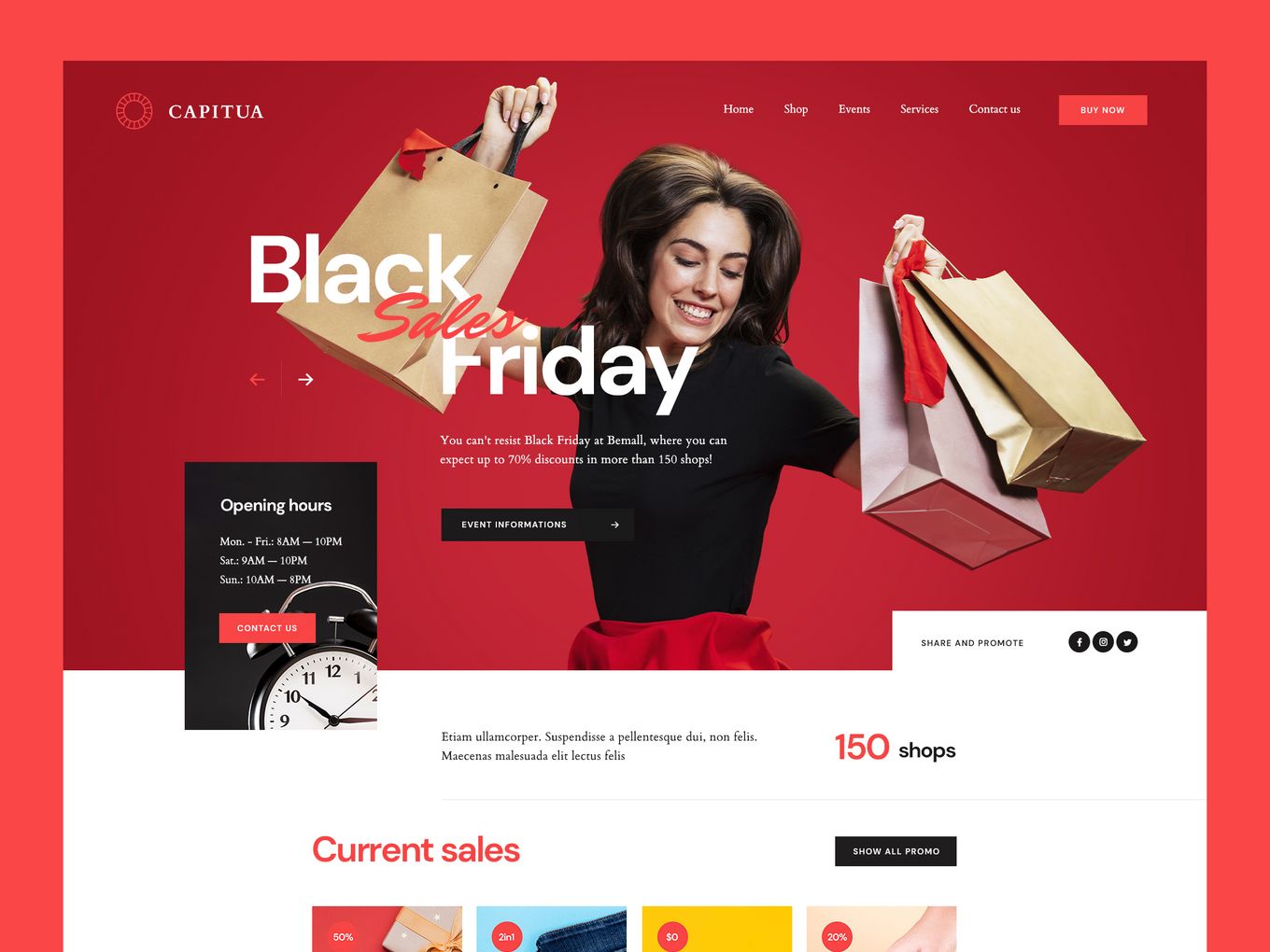
Shopping Website Design: Creating an Online Store Customers Trust
A shopping website is more than a digital shop window. It is where customers discover products, compare options and decide whether they feel confident enough to buy. Thoughtful design makes that journey clear and enjoyable, helping visitors find what they need and complete their purchase with ease.
Whether you are launching a new online shop or improving an existing one, the best shopping website design combines attractive visuals with practical features, fast performance and a smooth checkout.
Make products easy to find
Clear navigation helps customers move around your store without confusion. Organise products into logical categories and use familiar labels. If your range is large, include filters that let shoppers narrow results by factors such as size, colour, price or brand.
A prominent search bar is also important. Search results should be relevant and easy to scan, with useful product details and clear links through to individual product pages. The fewer obstacles between a customer and the item they want, the better.
Design product pages that answer questions
Customers cannot pick up or try a product online, so product pages need to provide the details that help them make an informed choice. Use clear descriptions, accurate specifications and high-quality images. Where appropriate, include multiple views, close-ups or video to show the product in more detail.
Price, availability, delivery information and returns guidance should be easy to find. For products with options such as sizes or colours, make selections simple and show when an item is unavailable. Customer reviews can also help visitors understand how a product performs in real life.
Prioritise mobile shopping
Many customers browse and shop on their phones, so a store should work just as well on a small screen as it does on a desktop. Responsive design adapts the layout to different devices, keeping text readable, buttons easy to tap and important information within reach.
Test the whole shopping journey on mobile, from browsing categories to entering delivery details. Avoid cluttered pages and forms that are difficult to complete. A mobile-friendly experience can make the difference between a customer finishing an order and leaving the site.
Keep checkout simple and reassuring
Checkout is a critical part of shopping website design. A long or confusing process can lead customers to abandon their baskets. Ask only for information needed to complete the order, explain each step and make it easy to correct mistakes.
Show delivery costs and any additional charges before the final payment stage. Offer a clear choice of payment methods and explain how customer information is protected. Guest checkout can also help customers who do not want to create an account before buying.
Build trust throughout the website
Customers are more likely to buy when a store feels credible. Consistent branding, professional product photography and well-written content all contribute to that impression. Make key information easy to access, including contact details, delivery times, returns policies and terms and conditions.
Security is equally important. Use a secure connection and work with trusted payment providers. Clear confirmation messages after an order has been placed help customers feel confident that their purchase has gone through.
Pay attention to speed and accessibility
Slow pages can frustrate shoppers, particularly when they are browsing product listings or adding items to a basket. Optimised images, efficient code and reliable hosting can help pages load quickly. Performance should be checked across a range of devices and connection speeds.
Accessibility makes a store easier to use for more people. Use readable text, sufficient colour contrast, descriptive labels and clear focus states for keyboard navigation. Images should have suitable alternative text, and important information should not be communicated through colour alone.
Use design to support business goals
Effective design balances the needs of customers with the goals of the business. A prominent call to action can guide a visitor towards buying, while related products may help them discover useful alternatives or additions. These features should be helpful rather than distracting.
Analytics can show how people use your store, where they leave and which products attract attention. Use this information to make considered improvements, such as simplifying navigation or clarifying delivery details. Regular testing helps keep the website useful as customer expectations and your product range change.
A better experience from first visit to delivery
Successful shopping website design brings together clear navigation, informative product pages, mobile-friendly layouts and a straightforward checkout. When customers can find what they need, understand what they are buying and trust the process, they are more likely to complete an order and return in future.
By putting the customer experience at the centre of every design decision, an online shop can feel easier to use, more trustworthy and better equipped to support long-term growth.
Shopping Website Design: 7 Frequently Asked Questions
- How much does it cost to design and build a shopping website?
- How long does it take to create an online shop?
- Which e-commerce platform is best for my shopping website?
- What features should a shopping website include?
- How can I make my online shop mobile-friendly?
- How can shopping website design help increase sales?
- How do I make my shopping website secure and trustworthy?
How much does it cost to design and build a shopping website?
The cost of designing and building a shopping website depends on factors such as the number of products, the level of custom design, payment and delivery integrations, and any features you need. A simple store built using an established platform may cost from a few hundred to a few thousand pounds, while a bespoke website with more complex requirements can cost several thousand pounds or more. You should also allow for ongoing expenses such as hosting, platform fees, maintenance and payment processing. A clear brief will help you get an accurate quote based on your products, goals and budget.
How long does it take to create an online shop?
The time it takes to create an online shop depends on its size, features and how quickly content and feedback are provided. A straightforward shop with a ready-made design and a small product range may take a few weeks, while a bespoke store with custom functionality, integrations or a large catalogue can take several months. Planning, product photography, payment and delivery setup, testing and revisions all contribute to the timeline. A clear brief and prompt decisions can help keep the project on track.
Which e-commerce platform is best for my shopping website?
The best e-commerce platform depends on your products, budget, technical requirements and plans for growth. Shopify is a popular choice for businesses looking for an easy-to-manage hosted solution, while WooCommerce offers flexibility for sites built with WordPress. Other platforms may suit larger or more complex stores. Compare features such as payment options, inventory management, design flexibility, running costs and integrations, and choose a platform that meets your needs now while allowing room to grow.
What features should a shopping website include?
A shopping website should make it easy for customers to find products, understand their options and complete a purchase. Useful features include clear navigation, product categories and filters, a prominent search bar, detailed product pages with high-quality images, transparent pricing and delivery information, customer reviews, a mobile-friendly layout and a simple, secure checkout. Clear returns policies, accessible contact details and order confirmation messages also help build trust and reassure customers throughout their shopping journey.
How can I make my online shop mobile-friendly?
To make your online shop mobile-friendly, use a responsive design that adapts to different screen sizes and keeps text, images and buttons clear and easy to use. Make navigation simple, ensure product pages load quickly, and use large, easy-to-tap controls. Streamline forms and checkout so customers can complete a purchase with minimal typing, and test the full shopping journey on a range of phones and tablets.
How can shopping website design help increase sales?
Good shopping website design can increase sales by making it easier for customers to find products, understand their features and complete a purchase. Clear navigation, useful search and filters, high-quality product images, transparent delivery information and a simple, mobile-friendly checkout all help reduce friction and build confidence. By making the buying journey straightforward and trustworthy, your website can encourage more visitors to become customers.
How do I make my shopping website secure and trustworthy?
Make your shopping website secure and trustworthy by using HTTPS across every page and choosing reputable payment providers that handle card details securely. Keep your website software and plugins up to date, use strong passwords and restrict access to essential accounts. Help customers feel confident by displaying clear delivery, returns and privacy information, along with accurate product details and genuine contact information. Show all costs before checkout, explain how payments are protected and send a clear order confirmation after purchase.
