
Effective Online Marketing: A Practical Guide for Businesses
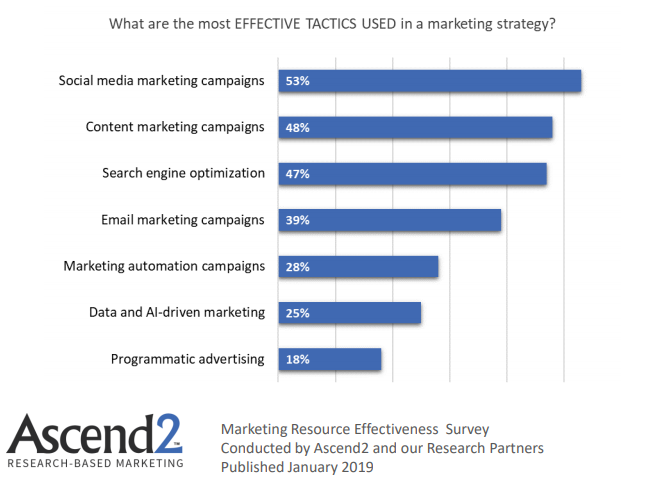
Effective online marketing is about reaching the right people with useful, relevant messages—and making it easy for them to take the next step. Whether you run a local business or an online shop, a clear strategy can help you build awareness, attract customers and encourage repeat business.
Start with clear goals
Before choosing channels or creating content, decide what you want your marketing to achieve. Your goals might include increasing website enquiries, boosting online sales, growing an email list or improving awareness in a particular area.
Set goals that are specific and measurable. For example, rather than aiming to “get more visitors”, you could aim to increase relevant website visits by a set percentage over a defined period. Clear goals make it easier to choose the right activity and assess whether it is working.
Understand your audience
Good marketing begins with understanding your customers. Consider what they need, what questions they ask and how they search for products or services like yours. Existing customer feedback, website analytics and sales conversations can all provide useful insight.
Use that knowledge to shape your messages. Speak plainly, focus on the benefits that matter to your audience and explain how your business can help. A message that is specific and relevant is more likely to stand out than a general claim.
Build a useful, trustworthy website
Your website often plays a central role in online marketing. It should quickly explain what you offer, who it is for and what visitors can do next. Make key information easy to find, ensure pages work well on mobile devices and include clear calls to action, such as making an enquiry or placing an order.
Trust matters, too. Keep your contact details and business information up to date, explain your services clearly and make sure your website is secure. Genuine testimonials, case studies and helpful answers to common questions can also help visitors feel more confident.
Create content that answers real questions
Content marketing can help your business demonstrate its expertise and attract people looking for information. Useful content might include articles, guides, short videos, product demonstrations or answers to frequently asked questions.
Choose topics based on what your audience genuinely wants to know. Avoid creating content simply to fill a calendar; every piece should offer value and have a clear purpose. A helpful article, for instance, might explain how to choose a service, compare options or solve a common problem.
Use search engines to improve visibility
Search engine optimisation (SEO) helps people find your website through unpaid search results. A sound approach includes using clear page titles and headings, publishing relevant content, improving page speed and making your site easy to navigate.
Think about the words customers use when searching, but write for people rather than trying to repeat keywords unnaturally. For businesses serving a specific area, accurate local listings and consistent contact information can also help people find and contact you.
Choose social media channels carefully
Social media can help you share updates, engage with customers and bring attention to your products or services. You do not need to be active on every platform. Focus on the channels your audience uses and where your business can contribute consistently.
Share a useful mix of content, respond to comments and messages, and keep your tone consistent with your brand. Social media works best as part of a wider marketing plan, rather than as a substitute for a well-maintained website or good customer service.
Make email marketing personal and relevant
Email is a direct way to keep in touch with people who have chosen to hear from your business. You could use it to share helpful advice, announce new products, send service updates or follow up after a purchase.
Keep emails relevant, use clear subject lines and make it easy for recipients to unsubscribe. Always follow applicable data protection and electronic marketing rules, including obtaining the appropriate permission where required.
Consider paid advertising
Paid search and social media advertising can help you reach a defined audience or promote a specific offer. Start with a clear objective, a carefully chosen audience and a realistic budget. Send people to a landing page that matches the advert and makes the next step obvious.
Monitor performance closely. If an advert is attracting clicks but not enquiries or sales, review the audience, message and landing page before increasing your spend.
Measure, learn and improve
Track a small number of meaningful measures that connect to your goals. These might include qualified enquiries, conversion rates, cost per lead, online sales or repeat purchases. Website visits and social media engagement can be useful indicators, but they do not always show whether marketing is contributing to business results.
Review your results regularly and use them to make informed changes. Keep doing what works, test improvements and stop investing in activity that is not delivering value. Marketing is an ongoing process, and small, evidence-based adjustments can make a significant difference over time.
Make consistency your advantage
Effective online marketing rarely depends on one post, advert or campaign. It comes from consistently understanding your audience, sharing useful information, providing a good online experience and learning from the results.
Start with a clear goal and a few well-chosen channels. As you discover what your customers respond to, build on that knowledge. A focused and consistent approach is often more effective than trying to do everything at once.
8 Essential Tips for Mastering Effective Online Marketing
- Set clear goals before launching a campaign.
- Know your audience and tailor your message.
- Use strong, relevant keywords in your content.
- Make your website mobile-friendly and fast.
- Post consistently on the channels your audience uses.
- Use clear calls to action.
- Track results and adjust what isn’t working.
- Build trust with useful content and genuine reviews.
Set clear goals before launching a campaign.
Before launching an online marketing campaign, decide exactly what you want it to achieve. A clear goal—such as generating more enquiries, increasing online sales or growing your email subscriber list—helps you choose the right channels, shape your message and set an appropriate budget. Make the goal specific and measurable, with a timeframe, so you can track progress and judge whether the campaign has delivered worthwhile results.
Know your audience and tailor your message.
Knowing your audience helps you create marketing that feels relevant rather than generic. Take time to understand your customers’ needs, interests, challenges and the language they use, then tailor your message to show how your product or service can help. A clear, audience-focused message is more likely to catch attention, build trust and encourage people to take action.
Use strong, relevant keywords in your content.
Use strong, relevant keywords in your content to help search engines and potential customers understand what each page is about. Start by considering the words and phrases your audience is likely to search for, then include them naturally in headings, page titles and body text. Focus on relevance and clarity rather than repeating keywords excessively: content should be useful and easy to read first, while accurately reflecting your products, services or expertise.
Make your website mobile-friendly and fast.
Make sure your website works smoothly on mobile devices and loads quickly. Many people browse and shop on their phones, so pages should be easy to read, navigation simple to use and buttons easy to tap on a smaller screen. A fast, mobile-friendly site helps visitors find what they need without frustration, encourages them to stay and can make it more likely they’ll get in touch or complete a purchase.
Post consistently on the channels your audience uses.
Post consistently on the channels your audience uses to keep your business visible and build familiarity over time. You don’t need to publish every day or be active everywhere; choose the platforms your customers actually use and set a realistic schedule you can maintain. Share useful, relevant content, and review engagement to learn what resonates. Regular, thoughtful posts are more effective than bursts of activity followed by long silences.
Use clear calls to action.
Use clear calls to action to show visitors exactly what to do next, whether that’s making an enquiry, booking a consultation or buying a product. Keep the wording direct and specific, such as “Request a quote” or “Shop now”, and place the call to action where it is easy to spot. A clear next step helps visitors navigate your website and makes it easier to turn interest into action.
Track results and adjust what isn’t working.
Track your online marketing results regularly to see which activities are bringing in useful traffic, enquiries or sales. Compare performance with your goals, and look beyond surface-level figures such as clicks or likes to understand what is contributing to business growth. If a campaign or channel is underperforming, review its audience, message and timing, then test a change rather than continuing to spend time or money without a clear return. Small, evidence-based adjustments can help you focus on what works and improve your results over time.
Build trust with useful content and genuine reviews.
Build trust by sharing useful content that answers your customers’ questions and helps them make informed decisions. Clear guides, practical advice and honest explanations show that you understand their needs and are willing to help. Support this with genuine customer reviews: invite feedback, display it transparently and respond thoughtfully to both praise and criticism. Together, valuable content and authentic reviews can reassure potential customers and give them confidence in choosing your business.
