
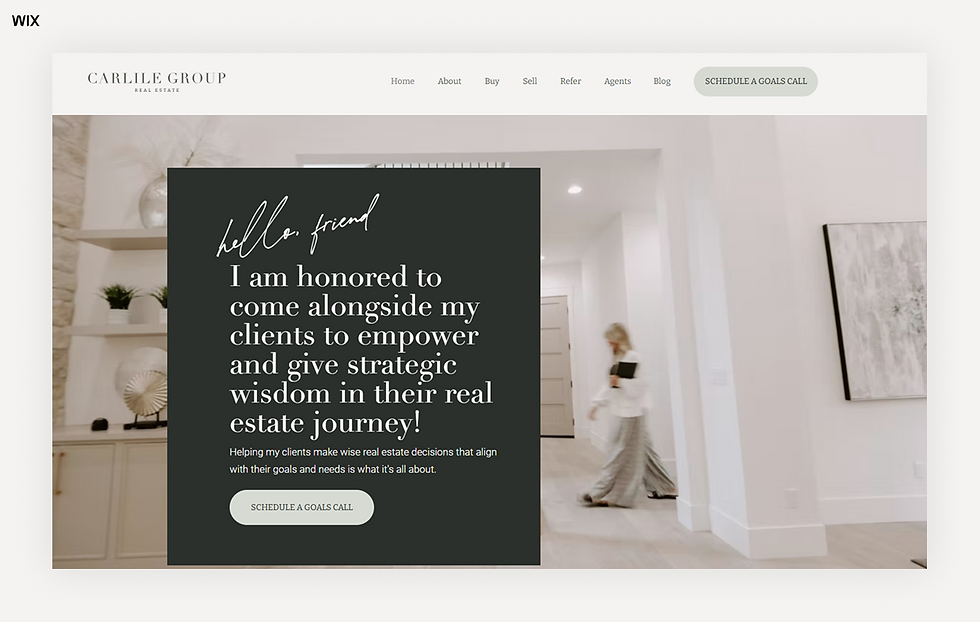
The Importance of Effective Realtor Website Design
As a real estate agent, having a strong online presence is crucial in today’s digital age. One of the key elements of a successful online strategy is having a well-designed website that not only showcases your listings but also reflects your brand and professionalism.
Effective realtor website design goes beyond just aesthetics. It is about creating a user-friendly experience that engages visitors, encourages them to explore your listings, and ultimately converts them into clients. Here are some key factors to consider when designing a realtor website:
Responsive Design
With the increasing use of mobile devices, it is essential to have a responsive website design that adapts to different screen sizes. A mobile-friendly website ensures that potential clients can easily access your site and view your listings on their smartphones or tablets.
User-Friendly Navigation
A clear and intuitive navigation menu is essential for guiding visitors around your website. Make it easy for users to search for properties, learn about your services, and contact you. A streamlined navigation structure enhances the user experience and encourages visitors to stay on your site longer.
High-Quality Imagery
Visuals play a significant role in real estate marketing. High-quality images and videos of your listings can help showcase properties effectively and capture the attention of potential buyers. Invest in professional photography to make your listings stand out on your website.
Lead Generation Tools
Incorporate lead generation forms strategically throughout your website to capture visitor information. Offer valuable resources such as property alerts, market reports, or free consultations in exchange for contact details. Building an email list allows you to nurture leads and stay connected with potential clients.
SEO Optimisation
Optimising your website for search engines is essential for increasing visibility online. Implementing SEO best practices such as keyword optimisation, meta tags, and relevant content can help improve your site’s ranking on search engine results pages. Drive organic traffic to your website by focusing on local keywords related to real estate in your area.
In conclusion, effective realtor website design plays a crucial role in attracting clients, showcasing properties, and establishing credibility in the competitive real estate market. By focusing on responsive design, user-friendly navigation, high-quality imagery, lead generation tools, and SEO optimisation, you can create a compelling online presence that sets you apart from the competition.
Essential FAQs on Designing a Realtor Website: A Guide for Estate Agents
- Should I make a website as a real estate agent?
- What is a real estate website?
- What are the 5 P’s of real estate?
- How to build a website as a realtor?
- What is the most common use of real estate websites?
- Should realtors have their own websites?
- Which hosting is best for a real estate website?
- What are the 4 P’s of real estate?
Should I make a website as a real estate agent?
When considering whether to create a website as a real estate agent, the answer is a resounding yes. In today’s digital era, having a professional online presence is essential for reaching potential clients, showcasing listings, and establishing credibility in the competitive real estate market. A well-designed website not only serves as a central hub for your property listings but also allows you to communicate your brand identity, services, and expertise to a wider audience. With the ability to provide valuable resources, capture leads, and engage with visitors 24/7, investing in a realtor website can significantly enhance your marketing efforts and help you stand out in the digital landscape.
What is a real estate website?
A real estate website is an online platform specifically designed to showcase properties for sale or rent, as well as provide information about real estate services offered by agents or agencies. These websites serve as a digital hub where potential buyers, sellers, and renters can browse listings, view property details, and connect with real estate professionals. A well-designed real estate website typically features search functionality, high-quality imagery of properties, informative content about the local market, and tools for contacting agents or scheduling viewings. Overall, a real estate website acts as a centralised resource for individuals looking to buy, sell, or rent properties in a specific area.
What are the 5 P’s of real estate?
The 5 P’s of real estate are Price, Property, Promotion, Positioning, and Presentation. These key elements play a crucial role in the success of a real estate transaction. Price refers to the value at which a property is listed or sold. Property encompasses the physical characteristics and features of a real estate asset. Promotion involves marketing strategies to attract potential buyers or tenants. Positioning focuses on the location and surroundings of the property within the market. Presentation involves how well a property is showcased to appeal to potential buyers or renters. Mastering these 5 P’s is essential for real estate professionals to effectively navigate the competitive industry and achieve successful outcomes for their clients.
How to build a website as a realtor?
Building a website as a realtor requires careful planning and attention to key elements that can enhance your online presence and attract potential clients. To start, consider your branding and target audience to create a design that reflects your professionalism and appeals to your market. Choose a user-friendly platform or hire a web developer with experience in real estate websites to ensure functionality and ease of navigation. Incorporate high-quality images of your listings, compelling property descriptions, and clear contact information to engage visitors effectively. Implement SEO strategies to improve visibility on search engines and drive organic traffic to your site. Regularly update your website with fresh content and stay responsive to client inquiries to maintain a dynamic online presence as a successful realtor.
What is the most common use of real estate websites?
The most common use of real estate websites is to search for properties. Prospective buyers and renters rely on real estate websites to browse listings, view photos and details of properties, and filter their search based on specific criteria such as location, price range, property type, and amenities. Real estate websites provide a convenient platform for users to explore a wide range of properties in one place, compare options, and contact agents or sellers for further information or to schedule viewings. With the ease of access and comprehensive information available on real estate websites, they have become an essential tool for individuals looking to buy, rent, or invest in properties.
Should realtors have their own websites?
The question of whether realtors should have their own websites is a common one in the real estate industry. Having a dedicated website offers numerous benefits for real estate agents, allowing them to establish a strong online presence, showcase their listings effectively, and differentiate themselves from competitors. A personalised website provides a platform to convey their brand identity, share valuable information with potential clients, and build credibility in the digital space. By having their own website, realtors can control their online image, capture leads, and engage with visitors on their terms, ultimately enhancing their visibility and success in the competitive real estate market.
Which hosting is best for a real estate website?
When considering the best hosting option for a real estate website, it is essential to prioritize reliability, speed, security, and scalability. A dedicated hosting solution or a virtual private server (VPS) may be ideal for real estate websites with high traffic volume and resource-intensive features such as property listings and image galleries. These hosting options offer greater control over server resources and performance, ensuring optimal website speed and uptime. Additionally, choosing a hosting provider that offers robust security measures, regular backups, and excellent customer support can help safeguard your real estate website’s data and maintain its functionality seamlessly.
What are the 4 P’s of real estate?
When it comes to real estate, the “4 P’s” refer to Price, Promotion, Product, and Place. These fundamental elements play a crucial role in the success of a real estate transaction. Price relates to setting the right value for a property based on market conditions and comparable sales. Promotion involves marketing strategies to attract potential buyers or tenants through various channels. Product refers to the property itself, including its features, condition, and unique selling points. Place refers to the location of the property, considering factors such as neighbourhood amenities, accessibility, and surrounding environment. Understanding and effectively managing these 4 P’s is essential for real estate professionals to achieve successful outcomes in their transactions.
