
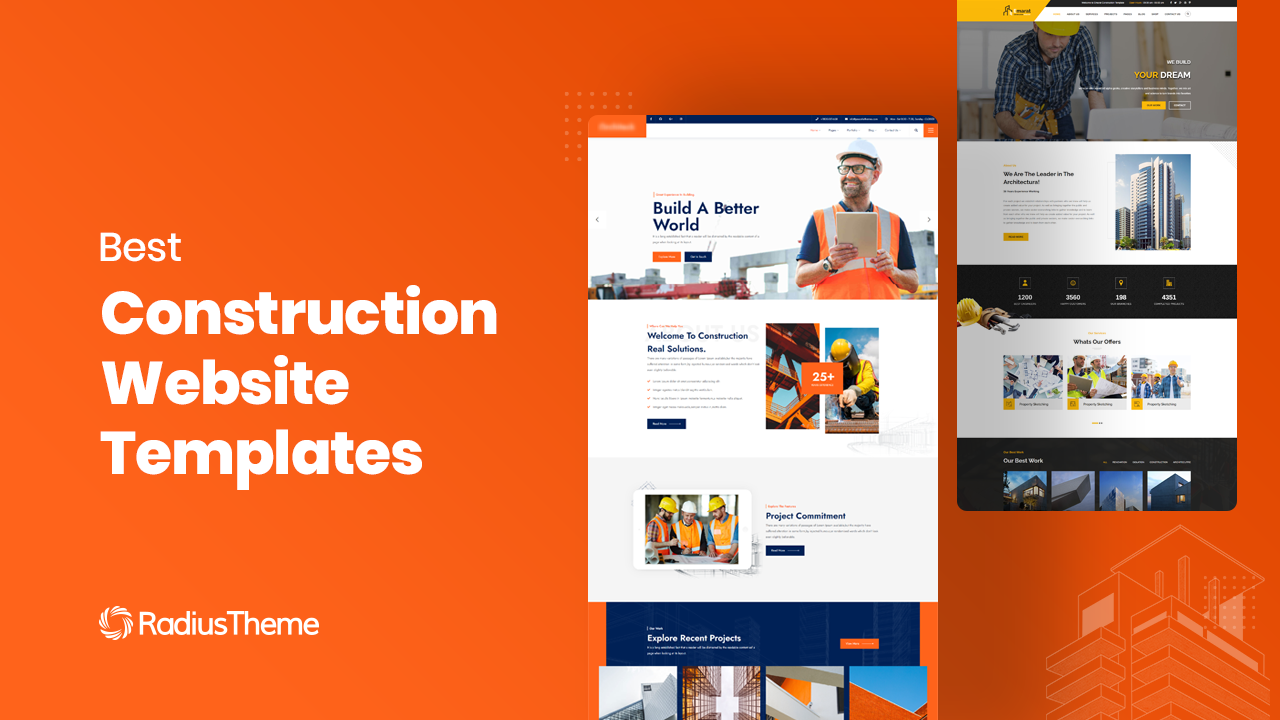
Construction Website Design: Building Success Online
In today’s digital age, having a strong online presence is essential for businesses in the construction industry. A well-designed website not only showcases your projects and services but also establishes credibility and attracts potential clients. Here are key considerations for construction website design:
Visual Appeal
Visual elements play a crucial role in construction website design. High-quality images and videos of completed projects can showcase your expertise and craftsmanship. Use a clean and professional layout with a colour scheme that reflects your brand identity.
Easy Navigation
Ensure that your website is easy to navigate, with clear menus and intuitive user experience. Clients should be able to find information about your services, projects, team members, and contact details with minimal effort.
Mobile Responsiveness
With more users accessing websites on mobile devices, it’s vital to have a responsive design that adapts seamlessly to different screen sizes. A mobile-friendly website improves user experience and boosts search engine rankings.
Project Portfolio
Showcase your best work through a comprehensive project portfolio. Include detailed descriptions, images, and client testimonials to demonstrate the quality of your construction projects and build trust with potential clients.
Contact Information
Make it easy for visitors to get in touch with you by prominently displaying contact information on every page of your website. Include a contact form for inquiries, as well as links to social media profiles for additional engagement.
SEO Optimization
Optimise your construction website for search engines to improve visibility online. Use relevant keywords, meta tags, and high-quality content to attract organic traffic and rank higher in search engine results pages.
In conclusion, effective construction website design is essential for showcasing your expertise, attracting clients, and driving business growth in the digital era. By following these key considerations, you can build a successful online presence that sets you apart from the competition.
Top 5 Benefits of Effective Construction Website Design: Boost Credibility, Visibility, and Client Engagement
- Showcase your construction projects and expertise
- Establish credibility and professionalism
- Attract potential clients and generate leads
- Improve brand visibility and recognition online
- Enhance user experience with easy access to information
Challenges in Construction Website Design: Costs, Maintenance, Complexity, and Limited Personalisation
- High initial cost for professional website design and development
- Maintenance and updates may require ongoing investment of time and resources
- Complexity in integrating advanced features such as 3D visualisations or project management tools
- Limited scope for personalisation due to industry-specific design conventions
Showcase your construction projects and expertise
One significant advantage of construction website design is the ability to showcase your construction projects and expertise effectively. Through high-quality images, detailed project descriptions, and client testimonials, you can demonstrate the quality of your work and highlight your expertise in the construction industry. This feature not only builds credibility with potential clients but also sets you apart from competitors by showcasing your unique capabilities and successful projects.
Establish credibility and professionalism
In the realm of construction website design, one significant advantage is the ability to establish credibility and professionalism. A well-crafted website with a polished appearance, relevant content, and user-friendly interface can instil confidence in potential clients and showcase the expertise and reliability of a construction company. By presenting a professional online presence, businesses in the construction industry can build trust with their audience, differentiate themselves from competitors, and demonstrate their commitment to quality and excellence in every project they undertake.
Attract potential clients and generate leads
An effective construction website design has the capability to attract potential clients and generate leads by showcasing past projects, highlighting expertise, and providing easy ways for visitors to get in touch. By presenting a professional and visually appealing online presence, a construction company can capture the interest of prospective clients, encouraging them to explore services further and ultimately convert into valuable leads. This pro of construction website design not only enhances brand visibility but also serves as a powerful tool for business growth in the competitive industry.
Improve brand visibility and recognition online
Construction website design offers the significant advantage of enhancing brand visibility and recognition online. By having a well-designed website that reflects your brand identity, showcases your projects, and communicates your values effectively, you can stand out in the competitive construction industry. A strong online presence not only attracts potential clients but also helps in building credibility and trust among your target audience. With improved brand visibility and recognition online, you can establish a solid reputation and differentiate yourself from competitors, ultimately leading to business growth and success.
Enhance user experience with easy access to information
One significant advantage of construction website design is the ability to enhance user experience by providing easy access to information. By structuring the website with intuitive navigation and clear menus, visitors can quickly find the information they need about services, projects, team members, and contact details. This streamlined approach not only improves user satisfaction but also increases engagement and encourages potential clients to explore further, ultimately leading to a more positive interaction with the construction company online.
High initial cost for professional website design and development
One significant drawback of construction website design is the high initial cost associated with professional website design and development. Building a custom website tailored to the specific needs of a construction business requires investment in skilled web designers, developers, and digital marketing experts. The upfront expenses for creating a visually appealing, user-friendly, and mobile-responsive website can be substantial, especially for small construction companies with limited budgets. This financial barrier may deter some businesses from investing in a professionally designed website, potentially impacting their online visibility and competitiveness in the digital marketplace.
Maintenance and updates may require ongoing investment of time and resources
One significant drawback of construction website design is the ongoing investment of time and resources required for maintenance and updates. Keeping a construction website up-to-date with the latest projects, services, and content demands regular attention and effort. This can be a time-consuming task that may require dedicated resources or outsourcing to ensure that the website remains relevant, functional, and engaging for visitors. Failure to invest in regular maintenance and updates can result in outdated information, broken links, and a poor user experience, ultimately impacting the effectiveness of the website as a marketing tool for construction businesses.
Complexity in integrating advanced features such as 3D visualisations or project management tools
One significant drawback of construction website design is the complexity involved in integrating advanced features such as 3D visualisations or project management tools. While these features can enhance the user experience and showcase projects in a more interactive manner, their implementation often requires specialised expertise and resources. From custom coding to ensuring seamless functionality across different devices, incorporating advanced features can add layers of complexity to the web development process. This challenge may result in increased development time, higher costs, and potential technical issues that could impact the overall user experience on the construction website.
Limited scope for personalisation due to industry-specific design conventions
One significant drawback of construction website design is the limited scope for personalisation due to industry-specific design conventions. The nature of the construction industry often dictates certain design elements and layouts that are commonly used across construction websites. This can result in websites looking similar and lacking distinctiveness, making it challenging for companies to stand out and showcase their unique brand identity effectively. The constraints imposed by industry norms can restrict creativity and personalisation options, potentially hindering the ability to create a truly bespoke website that resonates with the target audience.
