
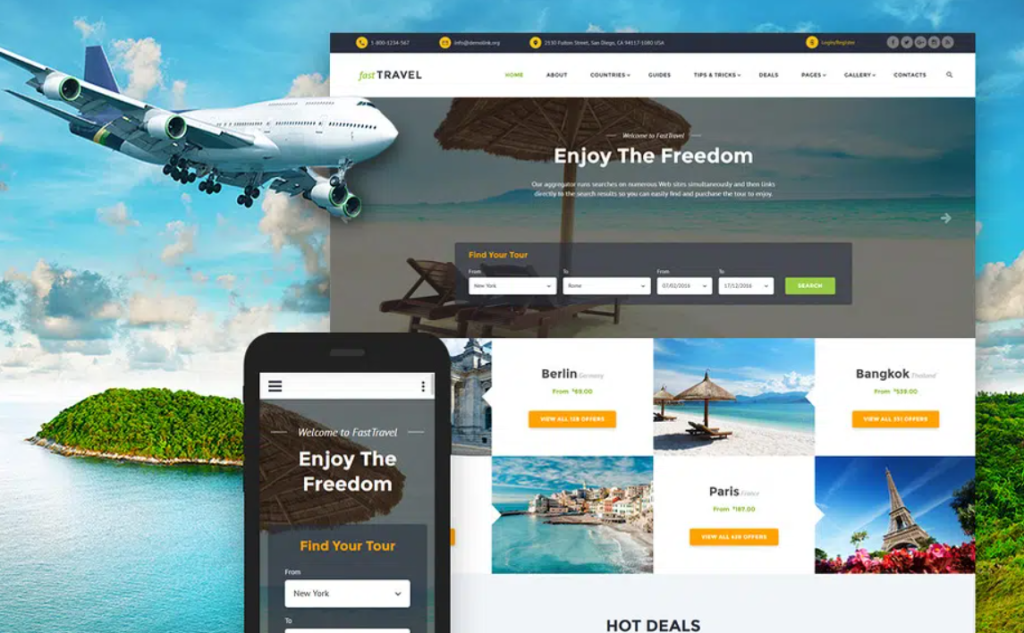
The Art of Travel Web Design
Travelling is a passion that inspires wanderlust and a sense of adventure in many people. In today’s digital age, the first step for most travellers is to search for information online. This is where travel web design plays a crucial role in capturing the attention of potential explorers.
A well-designed travel website should not only be visually appealing but also user-friendly and informative. From stunning images of exotic destinations to intuitive navigation that guides users seamlessly through the booking process, every aspect of the website should be carefully crafted to enhance the user experience.
One key element of travel web design is responsive design. With more and more people using mobile devices to browse the internet, it is essential for travel websites to be optimised for various screen sizes. A responsive design ensures that users can easily access information and make bookings on any device, whether it’s a smartphone, tablet, or desktop computer.
Another important aspect of travel web design is integration with booking systems and payment gateways. A seamless booking process can make all the difference in converting website visitors into customers. By incorporating secure payment options and clear calls-to-action, travel websites can streamline the booking process and provide a hassle-free experience for users.
Visual storytelling is also a powerful tool in travel web design. Through captivating images, videos, and interactive maps, travel websites can transport users to different destinations and inspire them to embark on their next adventure. By showcasing unique experiences and highlighting local culture, travel websites can create an emotional connection with their audience.
In conclusion, travel web design plays a vital role in shaping the online presence of travel companies and inspiring travellers to explore new horizons. By focusing on visual appeal, user experience, responsiveness, seamless booking processes, and visual storytelling, travel websites can create immersive experiences that captivate audiences and drive engagement.
Essential FAQs on Travel Web Design: Enhancing User Experience and Security
- What is travel web design?
- Why is travel web design important for travel companies?
- How can responsive design benefit a travel website?
- What elements should be included in a well-designed travel website?
- How can visual storytelling enhance the user experience on a travel website?
- What role does user experience play in the success of a travel website?
- How important is mobile compatibility for a travel website?
- What are some best practices for integrating booking systems into a travel website?
- How can a travel company ensure the security of online bookings on their website?
What is travel web design?
Travel web design refers to the specialised process of creating and developing websites that cater specifically to the travel industry. It involves designing websites that showcase destinations, provide travel information, facilitate bookings, and offer a seamless user experience for travellers looking to explore the world. Travel web design focuses on incorporating visually appealing elements, intuitive navigation, responsive layouts for various devices, integration with booking systems, and captivating storytelling through multimedia content to engage users and inspire them to embark on their next adventure.
Why is travel web design important for travel companies?
Travel web design is crucial for travel companies as it serves as their digital storefront, representing the brand and offering a glimpse into the unique experiences they provide. A well-crafted travel website not only attracts potential customers but also enhances user engagement, fosters trust, and drives conversions. With the increasing reliance on online platforms for trip planning and bookings, a visually appealing and user-friendly website can set a travel company apart from competitors, showcase its offerings effectively, and create a seamless booking experience that encourages travellers to choose their services. In essence, travel web design is essential for establishing a strong online presence, connecting with target audiences, and ultimately driving business growth in the competitive travel industry.
How can responsive design benefit a travel website?
Responsive design is a crucial aspect of travel web design that offers numerous benefits to a website catering to travellers. By implementing responsive design, a travel website can adapt seamlessly to various screen sizes and devices, ensuring that users have a consistent and optimal viewing experience whether they are browsing on a desktop computer, tablet, or smartphone. This flexibility not only enhances user satisfaction but also improves usability and accessibility, ultimately leading to higher engagement and conversion rates. Additionally, with the increasing trend of mobile browsing, responsive design can significantly boost the reach and visibility of a travel website, attracting more potential customers and driving bookings.
What elements should be included in a well-designed travel website?
A well-designed travel website should incorporate several key elements to provide an engaging and user-friendly experience for visitors. Firstly, visually appealing imagery of destinations and attractions can capture the attention of users and inspire their wanderlust. Clear and intuitive navigation is essential to help users easily find the information they are looking for, such as travel packages, accommodation options, and activities. Integration with booking systems and secure payment gateways streamlines the booking process, enhancing user convenience. Responsive design ensures that the website functions seamlessly across various devices, from desktops to mobile phones. Compelling storytelling through content, images, and videos can evoke emotions and create a connection with potential travellers, enticing them to explore further. These elements combined contribute to a well-designed travel website that not only showcases destinations but also facilitates seamless travel planning and booking experiences for users.
How can visual storytelling enhance the user experience on a travel website?
Visual storytelling plays a pivotal role in enhancing the user experience on a travel website by creating immersive narratives that transport users to different destinations and evoke emotions. Through captivating images, videos, and interactive maps, visual storytelling brings destinations to life, allowing users to envision themselves in those places. By showcasing unique experiences, local culture, and hidden gems through visuals, travel websites can inspire wanderlust and create a sense of anticipation and excitement in users. This emotional connection not only engages users but also encourages them to explore further and ultimately drives them towards booking their next adventure.
What role does user experience play in the success of a travel website?
User experience plays a pivotal role in the success of a travel website. The design, layout, and functionality of a travel website directly impact how users interact with the site and ultimately determine whether they stay engaged or move on to another platform. A seamless user experience, including intuitive navigation, fast loading times, clear information presentation, and easy booking processes, can significantly enhance user satisfaction and increase conversion rates. By prioritising user experience in travel web design, companies can build trust with their audience, encourage repeat visits, and ultimately drive the success of their online presence in the competitive travel industry.
How important is mobile compatibility for a travel website?
Mobile compatibility is paramount for a travel website, considering the increasing number of users who rely on their smartphones and tablets to access information on the go. In today’s fast-paced world, travellers often research destinations, book accommodations, and plan itineraries using their mobile devices. A travel website that is not optimised for mobile screens risks losing potential customers due to poor user experience. Ensuring seamless mobile compatibility not only enhances user engagement but also boosts conversion rates, as travellers expect easy navigation, fast loading times, and intuitive booking processes when accessing a travel website on their mobile devices.
What are some best practices for integrating booking systems into a travel website?
When it comes to integrating booking systems into a travel website, there are several best practices to ensure a seamless and user-friendly experience for customers. Firstly, it is essential to choose a reliable and user-friendly booking system that aligns with the specific needs of the travel website. Clear calls-to-action and intuitive navigation should guide users through the booking process, making it easy for them to select dates, choose accommodations, and complete their reservations. Security is paramount, so integrating secure payment gateways and SSL encryption is crucial to protect sensitive customer information. Additionally, providing real-time availability updates and confirmation emails can enhance transparency and build trust with customers. By following these best practices, travel websites can streamline the booking process and provide a positive booking experience for users.
How can a travel company ensure the security of online bookings on their website?
Ensuring the security of online bookings on a travel company’s website is paramount to building trust with customers and safeguarding their sensitive information. To achieve this, a travel company can implement several measures. Firstly, using SSL encryption technology to secure data transmitted between the user’s browser and the website is essential. Additionally, integrating secure payment gateways that comply with industry standards for handling financial transactions adds an extra layer of protection. Implementing robust authentication processes, such as two-factor authentication, can help prevent unauthorised access to booking information. Regular security audits and updates to identify and patch vulnerabilities also play a crucial role in maintaining the integrity of online bookings. By prioritising these security measures, a travel company can instil confidence in customers and demonstrate a commitment to protecting their privacy and data.
