
What Is Web Design? A Clear Definition
Web design is the process of planning and creating the visual appearance, layout and user experience of a website. It covers how a website looks, how information is organised and how visitors interact with its pages and features.
Good web design brings together visual creativity and practical thinking. A website should reflect the organisation behind it, present information clearly and help visitors complete the tasks they came to do.
What Does Web Design Include?
Web design can involve several connected areas, including:
- Layout and structure: arranging content, menus and page elements so the site is easy to understand and navigate.
- Visual design: choosing colours, typography, imagery, icons and other elements that create a consistent appearance.
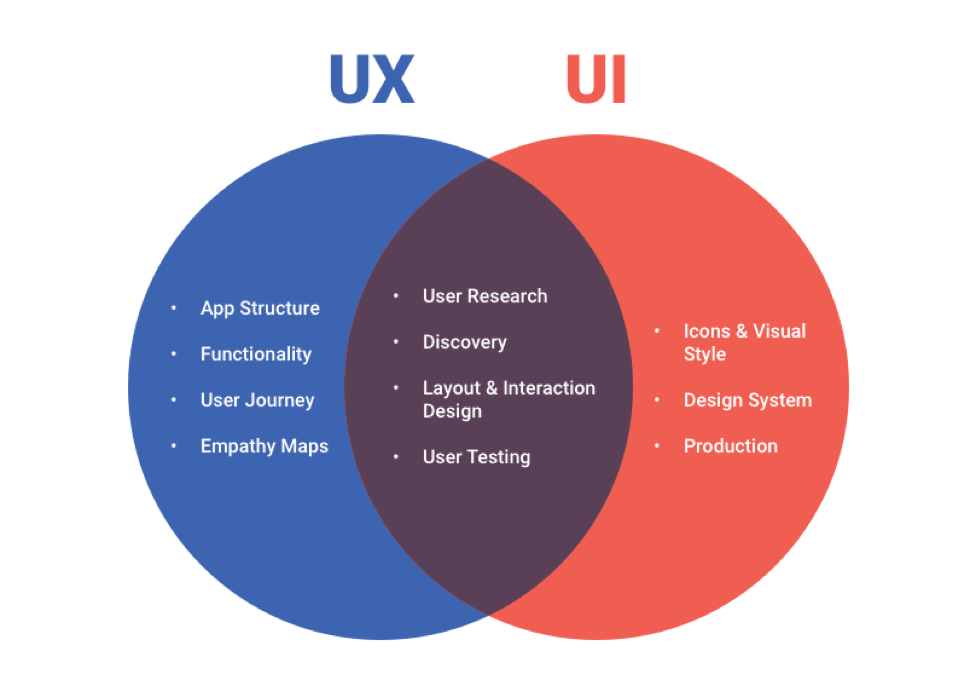
- User experience (UX): making the website straightforward, useful and comfortable to use.
- User interface (UI): designing the controls and interactive elements people use, such as buttons, forms and menus.
- Responsive design: ensuring pages adapt to different screen sizes, including mobiles, tablets and desktop computers.
- Accessibility: designing and organising content so that people with different abilities can use the website.
Web Design and Web Development
Web design and web development are related, but they are not the same. Web design focuses on a website’s appearance, structure and usability. Web development is the process of building the website using code and other technical tools.
In practice, the two often overlap. Designers and developers work together to turn a concept into a functioning website, making sure it looks as intended and works reliably.
Why Is Web Design Important?
A website is often one of the first places people encounter a business, organisation or service. Clear, professional design can help visitors understand what is offered and feel confident exploring further. Confusing layouts, difficult navigation or pages that do not work well on mobile devices can make it harder for people to find what they need.
Effective web design can support business goals by making important information easier to find, guiding visitors towards useful actions and presenting a consistent brand identity. It can also contribute to a better experience for all users.
What Makes a Website Well Designed?
A well-designed website is more than an attractive collection of pages. It should be:
- Easy to navigate, with clear labels and a logical structure.
- Readable, with appropriate text sizes, spacing and contrast.
- Responsive across common devices and screen sizes.
- Accessible to people with a range of needs and abilities.
- Consistent in its use of colours, typography and other brand elements.
- Focused on the needs of its audience and the purpose of the site.
In Summary
Web design is the practice of shaping a website’s appearance, structure and user experience. It combines visual choices with usability, accessibility and an understanding of what visitors need. When these elements work together, a website can communicate clearly and help people use it with confidence.
Understanding Web Design: Key Definitions and Distinctions
- What is the definition of web design?
- What does web design include?
- What is the difference between web design and web development?
- Why is web design important for a business?
- What are the main principles of good web design?
- What is the difference between user interface (UI) and user experience (UX) design?
- Does web design include mobile-friendly and accessible design?
What is the definition of web design?
Web design is the process of planning and creating a website’s layout, appearance and user experience. It includes decisions about structure, colours, typography, images and navigation, as well as making sure the site is easy to use and works across different devices. In short, web design brings visual presentation and practical usability together to help a website serve its visitors and achieve its purpose.
What does web design include?
Web design includes the planning and creation of a website’s layout, visual style and user experience. This can involve organising content and navigation, choosing colours, fonts and images, and designing interactive features such as buttons and forms. It also considers how the site works on different devices, how accessible it is to people with different needs, and how easily visitors can find information and complete tasks.
What is the difference between web design and web development?
Web design focuses on how a website looks and feels, including its layout, colours, typography and how easy it is for visitors to use. Web development is the process of building and maintaining the site, using code to make its pages, features and interactions work. In short, design shapes the visitor’s experience, while development brings the design to life. Both disciplines work closely together to create a website that is attractive, functional and accessible.
Why is web design important for a business?
Web design is important for a business because its website often forms a visitor’s first impression of the brand. A professional, easy-to-use website helps people find information, understand what the business offers and feel confident taking the next step, whether that is making an enquiry or placing an order. It also ensures the business is accessible across different devices and presents a consistent brand image, helping it connect with customers and support its wider goals.
What are the main principles of good web design?
The main principles of good web design are clarity, consistency, usability and accessibility. A well-designed website has a clear structure, intuitive navigation and readable content, helping visitors find what they need without unnecessary effort. Consistent colours, typography and visual elements reinforce the brand, while responsive layouts ensure the site works across mobiles, tablets and desktop computers. Good design also considers accessibility, so people with different abilities can use the website, and keeps pages focused on visitors’ needs and the site’s purpose.
What is the difference between user interface (UI) and user experience (UX) design?
User interface (UI) design focuses on the visual and interactive elements of a website, such as buttons, menus, colours and typography. User experience (UX) design is broader: it considers how people feel while using the site and how easily they can find information or complete tasks. In short, UI shapes what users see and interact with, while UX focuses on the overall experience. The two work together to make a website both appealing and easy to use.
Does web design include mobile-friendly and accessible design?
Yes. Modern web design should include both mobile-friendly and accessible design. A mobile-friendly website adapts to different screen sizes and is easy to use on phones and tablets, while accessible design helps people with a range of abilities navigate and understand the content. Considering both from the start can make a website more usable for everyone.
