
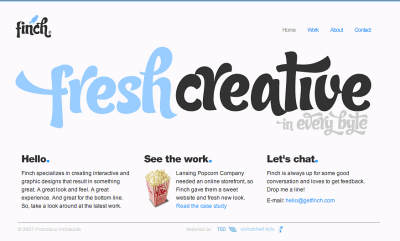
What Makes a Well-Designed Website?
A well-designed website does more than look attractive. It helps visitors find what they need, understand what a business offers and take the next step with confidence. Whether the goal is to share information, generate enquiries or sell products, good design brings clarity, usability and visual appeal together.
Clear purpose and structure
Every effective website starts with a clear purpose. Visitors should be able to tell quickly what the organisation does and whether the site can help them. A simple structure, descriptive headings and straightforward navigation make it easier to move between pages and find important information.
Each page should have a clear focus. Organising content into useful sections, using concise language and placing key details where visitors expect to find them can make a site easier to understand and use.
A positive user experience
A website should feel intuitive. Links and buttons need to be easy to recognise, forms should be simple to complete, and important actions should be clearly signposted. Consistency also matters: using familiar layouts and design elements helps visitors feel at ease as they explore.
Good user experience includes considering different needs and abilities. Legible text, sufficient colour contrast, descriptive link text and accessible forms can make a website more usable for a wider range of people.
Responsive design for every device
People browse on mobiles, tablets, laptops and desktop computers. Responsive design allows a website to adapt to different screen sizes, so content remains readable and features remain usable across devices. Menus, images and page layouts should all work well on smaller screens, not just on a desktop.
Fast loading and reliable performance
Visitors may leave if a website is slow or difficult to use. Optimised images, efficient code and reliable hosting can help pages load promptly. Regular checks are also useful for spotting broken links, outdated information and technical issues before they affect visitors.
Visual design that supports the message
Colour, typography, imagery and spacing all contribute to a website’s impression. These elements should work together to reflect the organisation’s identity and make content easier to follow. A considered design is not necessarily complicated; often, a clear layout with a focused colour palette is more effective than a page crowded with competing elements.
Images should be relevant and high quality, while type should be easy to read on all screen sizes. White space gives content room to breathe and helps draw attention to important information.
Useful, well-written content
Design and content work best together. Clear, accurate writing helps visitors understand services, products and next steps. Breaking information into short paragraphs and using descriptive headings makes pages easier to scan. Content should answer the questions visitors are likely to have rather than relying on vague claims.
Trust and credibility
A professional website should give visitors confidence. Up-to-date contact details, clear information about the organisation and secure handling of personal data all contribute to trust. Testimonials, case studies or other evidence may also be useful when they are genuine, relevant and presented accurately.
Designed to support action
Most websites have an intended next step, such as making an enquiry, booking an appointment or purchasing a product. Calls to action should be easy to find and explain what will happen when clicked. The process that follows should be as simple as possible, with unnecessary steps removed.
Continuous improvement
A website is not a one-off project. Visitor needs, technologies and business priorities can change over time. Reviewing feedback, checking performance and keeping content current helps ensure the site continues to do its job.
Ultimately, a well-designed website combines attractive visuals with clear information, dependable performance and an easy-to-use experience. When these elements work together, a website can serve its visitors effectively and support its wider goals.
Nine Benefits of Well-Designed Websites: Enhancing User Experience and Building Trust
- Make a strong first impression
- Help visitors find information quickly
- Work smoothly on mobiles and tablets
- Load quickly and reliably
- Build trust and credibility
- Make content easier to read
- Support accessibility for more people
- Encourage enquiries and sales
- Strengthen your brand identity
Challenges of Well-Designed Websites: Costs, Time, Trends, Distractions, and Maintenance
- Can be costly to create and maintain.
- May take time to plan and build.
- Design trends can quickly become outdated.
- Too much visual polish can distract from content.
- Frequent updates may require specialist support.
Make a strong first impression
A well-designed website can make a strong first impression by showing visitors that your business is professional, trustworthy and attentive to detail. Clear navigation, polished visuals and useful content help people quickly understand what you offer and feel confident about exploring further. As visitors often form an opinion within moments, a thoughtful design can encourage them to stay, learn more and get in touch.
Help visitors find information quickly
A well-designed website helps visitors find the information they need quickly. Clear navigation, descriptive headings and a logical page structure make it easy to scan content and move between sections. When important details are easy to spot, visitors can spend less time searching and more time taking the next step.
Work smoothly on mobiles and tablets
A well-designed website works smoothly on mobiles and tablets, adapting its layout to fit different screen sizes. Text stays easy to read, menus are simple to use and buttons are comfortable to tap, so visitors can find information or complete tasks wherever they are. This responsive experience also helps businesses make a strong impression and reach people who browse primarily on mobile devices.
Load quickly and reliably
A well-designed website loads quickly and works reliably across devices, helping visitors find information without unnecessary delays or interruptions. Fast, dependable pages create a smoother experience, encourage people to stay and explore, and make it easier for them to complete tasks such as getting in touch or making a purchase.
Build trust and credibility
A well-designed website helps build trust by making a business appear professional, reliable and attentive to detail. Clear information, consistent branding, easy navigation and up-to-date contact details reassure visitors that they are in the right place. When a site also works smoothly across devices and handles personal information securely, people are more likely to feel confident engaging with the business.
Make content easier to read
A well-designed website makes content easier to read by using clear headings, legible fonts, good colour contrast and plenty of space between sections. Short paragraphs and a logical layout help visitors scan pages and find the information they need without feeling overwhelmed. When content is easy to follow on both desktop and mobile, visitors can understand your message more quickly and enjoy a better experience.
Support accessibility for more people
A well-designed website makes it easier for more people to access and use its content, including people with disabilities and those using assistive technologies. Clear navigation, readable text, good colour contrast, descriptive links and image text alternatives all help create a more inclusive experience. Designing with accessibility in mind can also benefit visitors browsing on small screens, in bright light or with a slow internet connection.
Encourage enquiries and sales
A well-designed website makes it easy for visitors to take the next step, whether that means making an enquiry, booking a service or completing a purchase. Clear calls to action, straightforward forms and a smooth checkout help remove friction, while helpful information and a professional, trustworthy appearance give people confidence in choosing your business. By guiding visitors towards relevant products or services, a website can turn more visits into valuable enquiries and sales.
Strengthen your brand identity
A well-designed website helps strengthen your brand identity by creating a consistent experience that reflects your organisation’s values, personality and professional standards. A carefully chosen colour palette, typography, imagery and tone of voice make your business more recognisable and help visitors understand what sets it apart. When these elements are used consistently across the site, they build familiarity and trust, leaving a clear and lasting impression.
Can be costly to create and maintain.
One potential drawback of a well-designed website is the cost involved in creating and maintaining it. Professional design, development, high-quality content and testing can require a significant initial investment, while hosting, security updates and regular improvements add ongoing expenses. For smaller organisations, careful planning can help prioritise the features that matter most and keep costs manageable.
May take time to plan and build.
One potential drawback of a well-designed website is that it can take considerable time to plan and build. Creating a clear structure, developing a consistent visual style, writing useful content and testing the site across devices all require careful work. This can extend the time before launch, particularly when requirements change or several people need to approve the design.
Design trends can quickly become outdated.
One drawback of well-designed websites is that they can rely heavily on current design trends, which may quickly feel dated as styles and user expectations change. Keeping a site looking fresh can mean investing in regular updates to its visuals and layout. To avoid frequent redesigns, it can help to favour clear, timeless design choices and use trends selectively.
Too much visual polish can distract from content.
Too much visual polish can distract visitors from the content a website is meant to communicate. Elaborate animations, bold effects and decorative elements may look impressive, but they can make pages harder to scan and important information less noticeable. Good design should support the message, using visual features purposefully and keeping the content clear, accessible and easy to find.
Frequent updates may require specialist support.
Well-designed websites often need regular updates to keep their content, software and security features current. While minor changes may be straightforward, more complex updates can require specialist technical support, adding to ongoing costs and making the business reliant on external expertise.
