
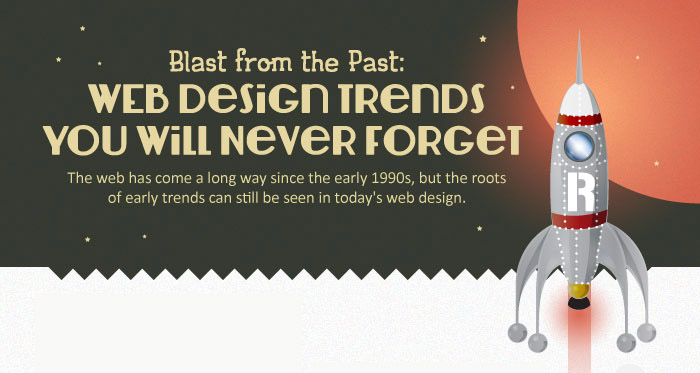
The Nostalgic Charm of 90s Web Design
Take a trip down memory lane to the early days of the internet, and you’ll likely encounter a digital landscape vastly different from what we see today. The 90s era of web design was characterised by bold colours, flashy graphics, and quirky animations that now evoke a sense of nostalgia for many.
One of the defining features of 90s web design was the use of tiled backgrounds and repeating patterns that adorned websites with a sense of vibrancy. Geocities and Angelfire were popular platforms where individuals could create their own personal websites, often featuring an eclectic mix of animated GIFs, scrolling text, and visitor counters.
Remember the ubiquitous “Under Construction” signs or the animated “Email Me” buttons that graced many websites? These elements may seem outdated by today’s standards, but they were a hallmark of 90s web design aesthetics.
Web typography in the 90s was also distinct, with designers experimenting with fonts like Comic Sans and Papyrus to add a playful touch to their websites. Text was often displayed in bright colours or set against busy backgrounds, making it sometimes challenging to read but undeniably eye-catching.
As internet speeds were slower back then, web designers had to be mindful of optimising images for quick loading times. This led to the prevalence of pixelated graphics and low-resolution images on many websites—a stark contrast to the high-definition visuals we are accustomed to today.
Despite its quirks and limitations, there is a certain charm to 90s web design that continues to captivate audiences. The simplicity and innocence of those early websites evoke feelings of nostalgia for a time when the internet was still new and full of possibilities.
While modern web design has evolved significantly since the 90s, with sleek layouts, responsive designs, and minimalist aesthetics becoming more prevalent, there is something special about looking back at where it all began. So next time you come across a website that pays homage to 90s design trends, take a moment to appreciate the whimsical creativity that defined an era of digital innovation.
Exploring 90s Web Design: Aesthetics, Typography, Popular Elements, and Their Lasting Impact
- What defined the aesthetics of 90s web design?
- How did typography play a role in 90s web design?
- What were popular elements used in 90s web design?
- How did slow internet speeds influence 90s web design choices?
- Why is there nostalgia associated with 90s web design?
- How does modern web design differ from the aesthetics of the 90s?
What defined the aesthetics of 90s web design?
The aesthetics of 90s web design were defined by a bold and eclectic mix of elements that set it apart from contemporary styles. From vibrant tiled backgrounds and repeating patterns to animated GIFs, scrolling text, and quirky fonts like Comic Sans, 90s websites exuded a sense of creativity and experimentation. The use of bright colours, pixelated graphics, and low-resolution images was common due to slower internet speeds at the time, giving rise to a unique visual identity that continues to evoke nostalgia for the early days of the internet.
How did typography play a role in 90s web design?
Typography played a significant role in shaping the aesthetic of 90s web design. During this era, designers embraced unconventional fonts such as Comic Sans and Papyrus, using them to infuse websites with a sense of playfulness and individuality. Text was often displayed in vibrant colours or set against busy backgrounds, creating a visually striking impact. The experimentation with typography in the 90s contributed to the unique and eclectic look of websites from that time, leaving a lasting impression on the evolution of digital design.
What were popular elements used in 90s web design?
In 90s web design, several popular elements defined the digital landscape of that era. Tiled backgrounds and repeating patterns were commonly seen, adding a vibrant and dynamic touch to websites. Animated GIFs, scrolling text, and visitor counters were ubiquitous features that captured the playful spirit of the time. Bold colours, flashy graphics, and quirky animations were hallmarks of 90s web design aesthetics, along with unique typography choices such as Comic Sans and Papyrus fonts. Despite the limitations of slower internet speeds leading to pixelated images and low-resolution graphics, these elements collectively contributed to the nostalgic charm that continues to resonate with audiences today.
How did slow internet speeds influence 90s web design choices?
The limitations imposed by slow internet speeds in the 90s had a profound impact on web design choices during that era. Designers had to carefully consider the size and format of images, opting for pixelated graphics and low-resolution visuals to ensure faster loading times. This constraint led to the prevalence of simplistic layouts, minimal animations, and text-heavy content on websites. Additionally, the need for efficient data transfer influenced the use of compressed files and simplified design elements to enhance user experience. The focus on optimising for slower connections not only shaped the aesthetic of 90s web design but also fostered creativity in finding innovative solutions to deliver engaging content within the constraints of limited bandwidth.
Why is there nostalgia associated with 90s web design?
The nostalgia associated with 90s web design stems from its distinctive and unconventional aesthetic that reflects the early days of the internet. The bold colours, quirky animations, and playful graphics evoke a sense of whimsy and creativity that defined a time when the online world was still uncharted territory. The limitations of technology at the time, such as slow internet speeds and basic design tools, forced designers to think outside the box and embrace experimentation. This sense of DIY spirit and raw authenticity resonates with many people who fondly remember the charm of 90s websites, making it a source of nostalgia for those who witnessed the birth of the digital age.
How does modern web design differ from the aesthetics of the 90s?
Modern web design differs significantly from the aesthetics of the 90s in several key ways. One of the most notable differences is the shift towards minimalism and simplicity in modern design, as opposed to the vibrant and cluttered layouts characteristic of 90s websites. Today’s websites focus on clean, intuitive interfaces, responsive designs that adapt to various devices, and high-quality imagery. Additionally, modern web design prioritises user experience, with an emphasis on readability, accessibility, and fast loading times. While the nostalgia of 90s web design holds a special place in our hearts, it’s clear that the evolution of technology and design trends has led to a more polished and user-friendly web experience in the present day.
