
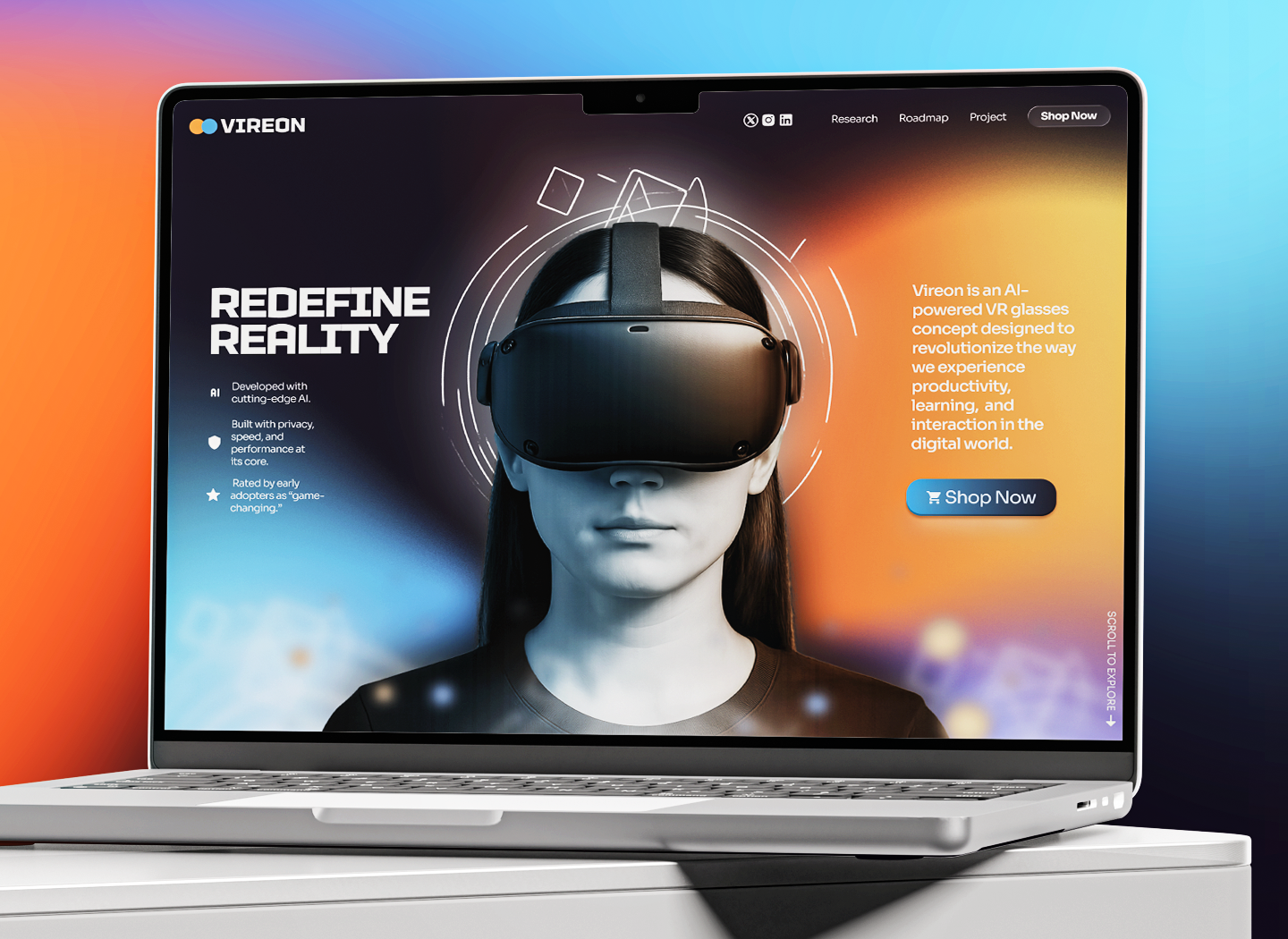
The Evolution of 3D Website Design
In recent years, the world of web design has seen a significant shift towards more immersive and engaging user experiences. One of the most prominent trends driving this change is the emergence of 3D website design.
3D website design involves the use of three-dimensional elements to create visually stunning and interactive websites. By incorporating depth, texture, and perspective into web design, 3D elements can bring websites to life in ways that were previously not possible with traditional flat design.
One of the key benefits of 3D website design is its ability to enhance user engagement. By adding depth and realism to web elements such as images, text, and animations, 3D design can captivate users’ attention and create a more memorable browsing experience.
Furthermore, 3D website design allows for greater creativity and storytelling opportunities. Designers can use 3D elements to convey brand messages, showcase products in a more interactive way, or create immersive environments that draw users in and encourage exploration.
As technology continues to advance, the tools and techniques available for creating 3D websites are becoming more accessible to designers. With the rise of WebGL and other technologies, designers now have the ability to incorporate complex 3D graphics directly into web browsers without compromising performance.
Overall, 3D website design represents an exciting evolution in the field of web design. By pushing the boundaries of creativity and interactivity, designers are able to create websites that not only look visually stunning but also provide users with an engaging and memorable online experience.
Exploring 3D Website Design: Key Concepts, Benefits, Tools, and Challenges
- What is 3D website design and how does it differ from traditional web design?
- What are the benefits of incorporating 3D elements into website design?
- How can 3D website design enhance user engagement and interactivity?
- What tools and technologies are commonly used to create 3D websites?
- Are there any challenges or limitations associated with implementing 3D elements in web design?
What is 3D website design and how does it differ from traditional web design?
3D website design is a cutting-edge approach that incorporates three-dimensional elements to enhance the visual appeal and interactivity of websites. Unlike traditional web design, which primarily relies on flat graphics and layouts, 3D design adds depth, texture, and perspective to web elements, creating a more immersive user experience. By leveraging 3D technology, designers can bring websites to life with realistic animations, interactive product showcases, and engaging visual effects that captivate visitors’ attention. This innovative approach not only elevates the aesthetics of a website but also allows for greater creativity in storytelling and user engagement.
What are the benefits of incorporating 3D elements into website design?
Incorporating 3D elements into website design offers a multitude of benefits that can elevate the overall user experience. By adding depth, realism, and interactivity to web elements, 3D design captivates users’ attention and creates a visually engaging browsing experience. These elements not only enhance the aesthetic appeal of a website but also provide opportunities for creative storytelling and brand communication. Additionally, 3D design can help showcase products in a more interactive way, leading to increased user engagement and retention. Overall, incorporating 3D elements into website design allows designers to push the boundaries of creativity and create immersive online environments that leave a lasting impact on visitors.
How can 3D website design enhance user engagement and interactivity?
Incorporating 3D elements into website design can significantly enhance user engagement and interactivity by adding depth, realism, and a sense of immersion to the browsing experience. 3D design allows for interactive elements that users can explore and interact with, creating a more dynamic and engaging interface. By leveraging 3D graphics, animations, and effects, websites can captivate users’ attention, encourage longer dwell times, and leave a lasting impression. The visual appeal of 3D elements can also help convey complex information in a more intuitive and engaging manner, making the overall user experience more interactive and memorable.
What tools and technologies are commonly used to create 3D websites?
When it comes to creating 3D websites, designers often rely on a variety of tools and technologies to bring their vision to life. Commonly used software includes 3D modelling programs such as Blender, Autodesk Maya, and Cinema 4D, which allow designers to create intricate 3D graphics and animations. In addition, tools like Three.js and Babylon.js are popular choices for implementing interactive 3D elements directly into web browsers using WebGL technology. These tools enable designers to seamlessly integrate 3D visuals into websites, enhancing user engagement and creating immersive online experiences.
Are there any challenges or limitations associated with implementing 3D elements in web design?
When it comes to implementing 3D elements in web design, there are indeed challenges and limitations that designers may encounter. One of the main challenges is ensuring optimal performance, as rendering complex 3D graphics can put a strain on website loading times and responsiveness. Compatibility across different devices and browsers is another hurdle, as not all platforms may support advanced 3D rendering techniques uniformly. Additionally, creating high-quality 3D content requires specialised skills and tools, which can add complexity to the design process. Despite these challenges, with careful planning, optimization, and testing, designers can overcome these limitations to create immersive and engaging 3D websites that captivate users’ attention.
