
The Importance of Clean Web Design
When it comes to creating a successful website, clean web design is key. Clean web design refers to the practice of creating websites that are visually appealing, easy to navigate, and free from clutter. In today’s digital age, where users have short attention spans and high expectations, clean web design can make all the difference in capturing and retaining your audience’s interest.
One of the main benefits of clean web design is improved user experience. A website that is well-organised, with clear navigation and uncluttered layout, makes it easier for visitors to find the information they need quickly and efficiently. This not only enhances user satisfaction but also encourages them to stay longer on your site and explore further.
Clean web design also plays a crucial role in establishing credibility and trust with your audience. A professionally designed website reflects positively on your brand and conveys a sense of professionalism and attention to detail. On the other hand, a cluttered or outdated website can create a negative impression and drive potential customers away.
From a practical standpoint, clean web design can also improve your site’s performance. By optimising elements such as images, code, and layout, you can enhance loading times and ensure a smooth browsing experience across different devices and screen sizes. This not only benefits user experience but also contributes to better search engine rankings.
In conclusion, clean web design is more than just aesthetics – it is about creating an engaging user experience, building trust with your audience, and enhancing overall site performance. Whether you are designing a new website or revamping an existing one, prioritising clean web design principles can set you on the path to online success.
9 Essential Tips for Achieving a Clean and Effective Web Design
- Use a clean and simple layout
- Choose a harmonious colour scheme
- Ensure easy navigation for users
- Optimise loading times for faster access
- Utilise white space effectively for readability
- Make sure text is legible and easy to read
- Use high-quality images and graphics sparingly
- Ensure responsiveness for different devices
- Regularly update and maintain the website
Use a clean and simple layout
When focusing on clean web design, employing a clean and simple layout can significantly enhance the user experience. A minimalist approach to layout ensures that the content is easily digestible and navigation is intuitive for visitors. By avoiding unnecessary clutter and distractions, a clean and simple layout not only improves the visual appeal of the website but also promotes better engagement and retention rates among users.
Choose a harmonious colour scheme
Selecting a harmonious colour scheme is a crucial tip in clean web design. By choosing colours that complement each other and align with your brand identity, you can create a visually appealing and cohesive website. A harmonious colour palette not only enhances the overall aesthetics of your site but also helps in creating a sense of unity and consistency across different pages and elements. Consistent use of colours can also aid in guiding users through your website, highlighting important information, and reinforcing your brand message. Ultimately, a well-chosen colour scheme contributes to a clean and professional web design that leaves a lasting impression on visitors.
Ensure easy navigation for users
In clean web design, ensuring easy navigation for users is paramount to providing a seamless and user-friendly experience. Clear and intuitive navigation menus, logical page hierarchy, and strategically placed call-to-action buttons can help users effortlessly find the information they are looking for. By simplifying the navigation process, visitors are more likely to stay engaged, explore further, and ultimately achieve their goals on the website. Easy navigation not only enhances user satisfaction but also contributes to a positive perception of the brand and encourages repeat visits.
Optimise loading times for faster access
Optimising loading times for faster access is a crucial aspect of clean web design. By reducing the time it takes for a website to load, you can enhance user experience and keep visitors engaged. Slow loading times can lead to frustration and drive users away, impacting bounce rates and conversion rates. By optimising elements such as images, code, and server response times, you can ensure that your website loads quickly across different devices and network conditions, providing a seamless browsing experience for your audience. Prioritising fast loading times not only improves user satisfaction but also contributes to better search engine rankings, making it a key factor in creating an effective and user-friendly website.
Utilise white space effectively for readability
Effective utilisation of white space is a fundamental principle in clean web design that significantly enhances readability. By strategically incorporating ample white space around text and visual elements, you can create a more visually appealing and easy-to-read layout for your website visitors. White space helps to reduce visual clutter, improve content legibility, and guide users’ focus to key information on the page. When used thoughtfully, white space not only enhances the overall aesthetics of a website but also plays a crucial role in enhancing user experience by making the content more digestible and engaging.
Make sure text is legible and easy to read
In the realm of clean web design, ensuring that text is legible and easy to read is paramount. Clear, well-presented text not only enhances the overall aesthetics of a website but also plays a crucial role in user experience. By choosing appropriate font styles, sizes, and colours, and ensuring sufficient contrast with the background, designers can make content easily digestible for visitors. Legible text not only improves comprehension but also helps to keep users engaged and encourages them to explore further.
Use high-quality images and graphics sparingly
In clean web design, it is essential to use high-quality images and graphics sparingly. By selecting visually appealing and relevant images that enhance the content, you can create a more engaging user experience. However, overloading your website with too many images can lead to clutter and slow loading times. Therefore, strategically incorporating high-quality visuals in moderation ensures that they have a greater impact and contribute positively to the overall aesthetics of the site.
Ensure responsiveness for different devices
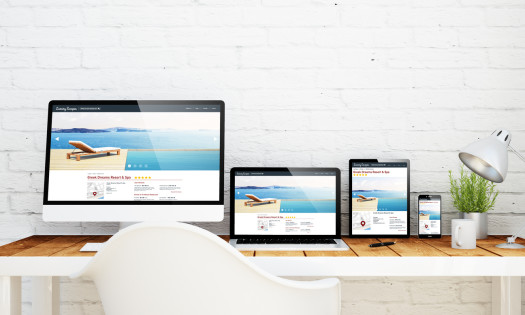
Ensuring responsiveness for different devices is a crucial aspect of clean web design. In today’s mobile-centric world, where users access websites on a variety of devices, including smartphones, tablets, and desktops, it is essential to create a seamless browsing experience across all screen sizes. By implementing responsive design techniques, such as flexible layouts and media queries, you can ensure that your website adapts and displays optimally on any device. This not only enhances user experience but also demonstrates your commitment to providing accessible and user-friendly content for all visitors.
Regularly update and maintain the website
Regularly updating and maintaining your website is a crucial aspect of clean web design. By ensuring that your content is current, your design elements are up-to-date, and your site functions smoothly, you not only provide a better user experience but also demonstrate professionalism and reliability to your visitors. Regular updates can include adding new content, refreshing visuals, fixing any broken links or errors, and implementing security patches to protect against potential vulnerabilities. By staying on top of maintenance tasks, you can keep your website looking fresh, engaging, and user-friendly, ultimately contributing to a positive online presence for your brand.
