
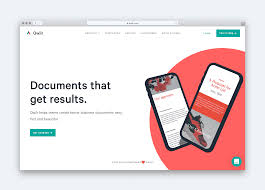
The Importance of Website Homepage Design
When it comes to website design, the homepage plays a crucial role in making a lasting impression on visitors. Your homepage is often the first point of contact for users, and it sets the tone for their entire browsing experience. A well-designed homepage not only captures attention but also guides users to explore further and engage with your content.
Here are some key elements to consider when designing your website homepage:
- Clean and Clear Layout: A cluttered homepage can overwhelm visitors and make it difficult for them to find what they are looking for. Keep the layout clean and organised, with clear navigation menus and prominent calls-to-action.
- Compelling Visuals: Use high-quality images, videos, or graphics that reflect your brand identity and capture the attention of visitors. Visual elements can convey emotions, tell stories, and create a memorable experience for users.
- Clear Messaging: Your homepage should clearly communicate who you are, what you do, and what value you offer to visitors. Use concise and compelling copy to convey your message effectively.
- Responsive Design: With the increasing use of mobile devices, it is essential to ensure that your homepage is responsive and displays correctly on various screen sizes. A responsive design enhances user experience and improves accessibility.
In conclusion, the design of your website homepage plays a significant role in shaping user perceptions and driving engagement. By focusing on creating a visually appealing, user-friendly, and informative homepage, you can attract visitors, encourage exploration, and ultimately achieve your online goals.
7 Benefits of Effective Homepage Design: Making a Lasting Impression and Driving Engagement
- 1. Creates a strong first impression on visitors.
- 2. Guides users to explore further content on the website.
- 3. Showcases key information and highlights important features.
- 4. Enhances brand identity and reinforces brand messaging.
- 5. Improves user experience with intuitive navigation and clear calls-to-action.
- 6. Increases credibility and trustworthiness of the website.
- 7. Boosts conversion rates by directing users towards desired actions.
Five Common Pitfalls in Website Homepage Design That Can Deter Visitors
- Overloading with information can confuse visitors and lead to a high bounce rate.
- Poor navigation design can make it challenging for users to find what they are looking for.
- Lack of clear call-to-action buttons may result in low conversion rates.
- Slow loading times can frustrate visitors and cause them to abandon the site.
- Inconsistent branding or messaging may create confusion and undermine credibility.
1. Creates a strong first impression on visitors.
A well-crafted website homepage design has the powerful ability to create a strong first impression on visitors. By incorporating visually appealing elements, clear messaging, and intuitive navigation, a homepage can instantly captivate users and convey the essence of a brand. This initial positive experience sets the tone for the rest of the website visit, establishing credibility, trust, and interest in exploring further. A strong first impression not only enhances user engagement but also increases the likelihood of visitors staying longer on the site and ultimately converting into customers or subscribers.
2. Guides users to explore further content on the website.
An effectively designed website homepage serves as a strategic gateway that guides users to delve deeper into the content and offerings of the website. By featuring intuitive navigation elements, engaging visuals, and compelling calls-to-action, the homepage entices visitors to explore further and discover more about the brand, products, or services. This seamless user journey not only enhances engagement but also increases the likelihood of conversion by directing users towards valuable information and desired actions throughout the website.
3. Showcases key information and highlights important features.
An effective website homepage design showcases key information and highlights important features, providing visitors with a quick overview of what the website offers. By strategically placing key information such as services, products, or unique selling points on the homepage, users can easily grasp the essence of the website without having to navigate through multiple pages. Highlighting important features helps to capture user attention, create interest, and encourage further exploration of the site’s offerings. This approach not only enhances user experience but also increases the likelihood of converting visitors into customers.
4. Enhances brand identity and reinforces brand messaging.
A well-designed website homepage enhances brand identity and reinforces brand messaging by creating a visual representation of the brand’s values, personality, and unique selling points. Through carefully selected colours, imagery, typography, and overall design elements, the homepage can convey the essence of the brand to visitors instantly. Consistent branding across the homepage helps build brand recognition and trust among users, reinforcing the brand’s message and positioning in the minds of potential customers.
5. Improves user experience with intuitive navigation and clear calls-to-action.
One of the key benefits of a well-designed website homepage is its ability to enhance user experience through intuitive navigation and clear calls-to-action. By structuring the homepage with easy-to-navigate menus and prominently placed calls-to-action, visitors can quickly find the information they need and take desired actions. This streamlined approach not only improves user satisfaction but also encourages engagement and conversion, ultimately leading to a more positive interaction with the website.
6. Increases credibility and trustworthiness of the website.
An effectively designed website homepage enhances the credibility and trustworthiness of the website. By incorporating elements such as professional visuals, clear messaging, and easy navigation, a well-crafted homepage instills confidence in visitors and portrays the brand as reliable and trustworthy. When users land on a homepage that is visually appealing, informative, and easy to navigate, they are more likely to perceive the website as credible, leading to increased trust and a positive impression of the brand.
7. Boosts conversion rates by directing users towards desired actions.
An effective website homepage design can significantly boost conversion rates by strategically directing users towards desired actions. By incorporating clear calls-to-action, intuitive navigation, and compelling visuals, a well-designed homepage guides visitors towards key objectives such as making a purchase, signing up for a newsletter, or requesting more information. This deliberate approach not only enhances user experience but also increases the likelihood of visitors taking the desired actions, ultimately driving conversions and achieving business goals.
Overloading with information can confuse visitors and lead to a high bounce rate.
When a website homepage is overloaded with information, it can overwhelm visitors and hinder their ability to find what they are looking for. The excessive amount of content, images, or features can create a cluttered and confusing user experience, ultimately leading to a high bounce rate. Visitors may feel lost or frustrated when faced with too much information, causing them to quickly leave the site without engaging further. To prevent this con of website homepage design, it is essential to strike a balance between providing relevant information and maintaining a clean, organised layout that guides visitors effectively.
Poor navigation design can make it challenging for users to find what they are looking for.
One significant drawback of website homepage design is that poor navigation design can make it challenging for users to find what they are looking for. When navigation elements are unclear, hidden, or overly complex, visitors may struggle to locate essential information, products, or services on the website. This can lead to frustration, increased bounce rates, and ultimately a negative user experience. Effective navigation design is crucial in guiding users through the website seamlessly and helping them easily access the content they seek.
Lack of clear call-to-action buttons may result in low conversion rates.
A significant drawback of website homepage design is the absence of clear call-to-action buttons, which can lead to low conversion rates. Without prominent and easily identifiable CTAs, visitors may struggle to understand what action to take next, resulting in missed opportunities for engagement or conversion. Clear and strategically placed call-to-action buttons are essential for guiding users towards desired actions, such as making a purchase, signing up for a newsletter, or contacting the business. Failing to incorporate effective CTAs can hinder the overall performance of a website and limit its ability to drive conversions and achieve business objectives.
Slow loading times can frustrate visitors and cause them to abandon the site.
One significant drawback of website homepage design is the issue of slow loading times, which can lead to visitor frustration and ultimately result in site abandonment. When a homepage takes too long to load, users are likely to lose patience and seek alternative websites that offer a faster browsing experience. Slow loading times not only impact user satisfaction but also have negative implications for search engine rankings and overall website performance. It is crucial for web designers to optimise homepage elements, such as images and scripts, to ensure swift loading times and provide visitors with a seamless browsing experience from the moment they land on the site.
Inconsistent branding or messaging may create confusion and undermine credibility.
An important con of website homepage design is the risk of inconsistent branding or messaging, which can lead to confusion among visitors and potentially undermine the credibility of the website. When branding elements such as colours, fonts, tone of voice, and imagery vary across different sections of the homepage, it can create a disjointed user experience. Inconsistencies in messaging may also cause confusion about the purpose and identity of the website, making it challenging for visitors to trust the information presented. Maintaining a cohesive and unified brand presence on the homepage is crucial to establish credibility and build trust with users.
