
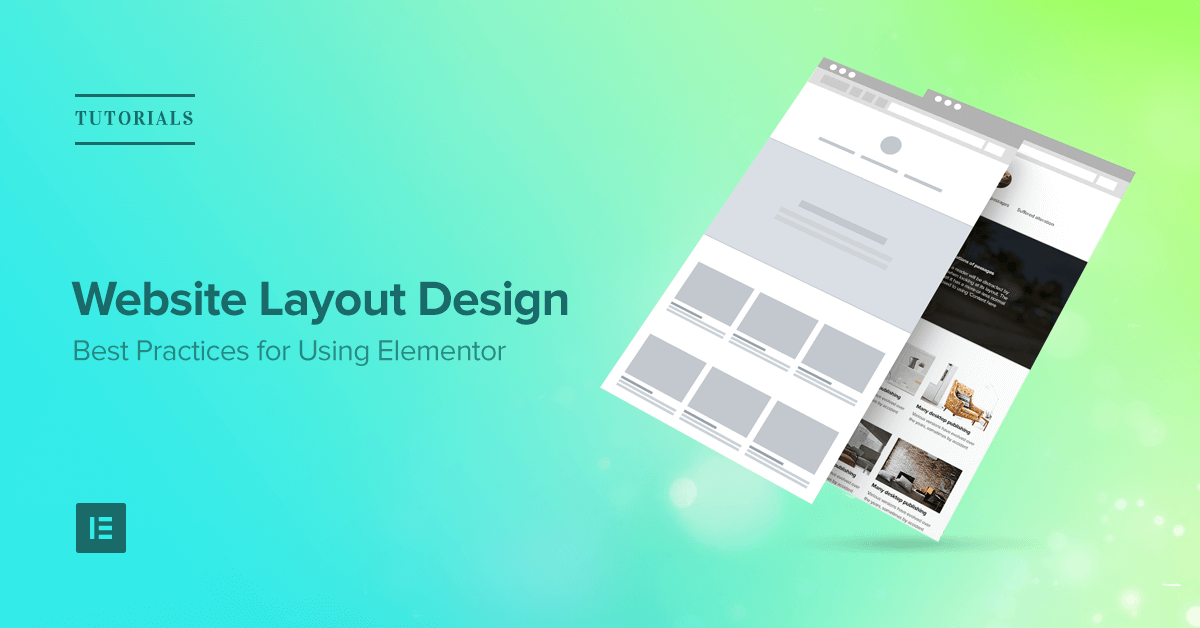
Exploring the Beauty of Simple Web Design
When it comes to creating a successful website, sometimes less is more. Simple web design focuses on minimalism, clean aesthetics, and user-friendly interfaces to deliver a seamless browsing experience. In a world cluttered with information overload, simplicity stands out as a breath of fresh air.
One of the key principles of simple web design is clarity. A clean layout with ample white space allows users to focus on the essential elements of the website without distractions. By decluttering the design and prioritising content hierarchy, simple websites guide users through the information effortlessly.
Another advantage of simple web design is its responsiveness. With fewer elements to load, simple websites tend to have faster loading times, which is crucial for retaining visitors and improving search engine rankings. Mobile responsiveness is also easier to achieve with a minimalist approach, ensuring that your website looks great on all devices.
Furthermore, simple web design enhances user experience by making navigation intuitive and straightforward. Clear calls-to-action and easily accessible menus help users find what they’re looking for quickly, leading to higher engagement and conversion rates.
From a branding perspective, simplicity can be powerful. A cohesive colour scheme, consistent typography, and strategic use of imagery can create a strong visual identity that resonates with your target audience. By focusing on essential elements and eliminating unnecessary embellishments, simple web design can effectively communicate your brand message.
In conclusion, simple web design offers numerous benefits that contribute to a positive user experience and overall success of a website. By embracing minimalism and prioritising functionality over complexity, you can create a website that not only looks great but also performs optimally across all platforms. So why complicate things when simplicity can be so beautiful?
7 Essential Tips for Streamlined and Effective Web Design
- Keep the design clean and uncluttered
- Use a simple colour scheme with high contrast for readability
- Ensure easy navigation with clear menus and links
- Optimise images and videos for fast loading times
- Make sure your website is mobile-responsive
- Include clear call-to-action buttons for important actions
- Test your website on different browsers and devices
Keep the design clean and uncluttered
In the realm of simple web design, a fundamental principle to abide by is keeping the design clean and uncluttered. By eliminating unnecessary elements and focusing on essential components, a clean and uncluttered design not only enhances visual appeal but also improves user experience. With ample white space and a minimalist approach, users can navigate the website seamlessly, allowing key information to stand out prominently. This emphasis on simplicity not only creates a more aesthetically pleasing website but also ensures that visitors can easily find what they are looking for without distractions.
Use a simple colour scheme with high contrast for readability
In simple web design, using a straightforward colour scheme with high contrast is essential for enhancing readability and ensuring a pleasant user experience. By choosing colours that complement each other and provide a sharp contrast, such as black text on a white background, you can make content easier to read and key information more accessible. High contrast not only improves readability for all users but also helps those with visual impairments navigate the website more effectively. By prioritising readability through a simple colour scheme with high contrast, you can create a visually appealing and user-friendly website that engages visitors effortlessly.
Ensure easy navigation with clear menus and links
In simple web design, ensuring easy navigation with clear menus and links is paramount to providing a seamless user experience. By presenting users with straightforward navigation options and easily accessible links, you empower them to explore your website effortlessly and find the information they need without frustration. Clear menus and intuitive links not only enhance usability but also improve engagement and encourage visitors to stay longer on your site.
Optimise images and videos for fast loading times
Optimising images and videos for fast loading times is a crucial aspect of simple web design. By reducing file sizes, using the appropriate formats, and implementing lazy loading techniques, you can ensure that your website loads quickly and smoothly for users. Fast-loading media not only improves user experience but also contributes to better SEO performance, as search engines favour websites that load quickly. Prioritising image and video optimisation in your web design strategy is essential for creating a streamlined and efficient browsing experience that keeps visitors engaged and satisfied.
Make sure your website is mobile-responsive
Ensuring that your website is mobile-responsive is a crucial aspect of simple web design. With the increasing number of users accessing the internet on mobile devices, it is essential to provide a seamless browsing experience across all screen sizes. A mobile-responsive design adapts to different devices and resolutions, allowing users to navigate your website easily and access content without any distortion or usability issues. By prioritising mobile responsiveness, you not only improve user experience but also boost your website’s visibility and rankings in search engine results.
Include clear call-to-action buttons for important actions
In simple web design, it is essential to include clear call-to-action buttons for important actions. These buttons serve as signposts for users, guiding them towards the desired interaction or conversion on the website. By making the call-to-action buttons prominent, easily identifiable, and using concise language that clearly communicates the action, you can encourage visitors to take the next step without confusion. Effective call-to-action buttons enhance user experience and drive engagement, ultimately leading to a more successful website.
Test your website on different browsers and devices
Ensuring the compatibility of your website across various browsers and devices is a crucial aspect of simple web design. By testing your website on different platforms, you can identify any potential issues with layout, functionality, or responsiveness and make necessary adjustments to provide a seamless user experience. This proactive approach helps to reach a wider audience and ensures that your website looks and functions as intended regardless of the device or browser used to access it.
