
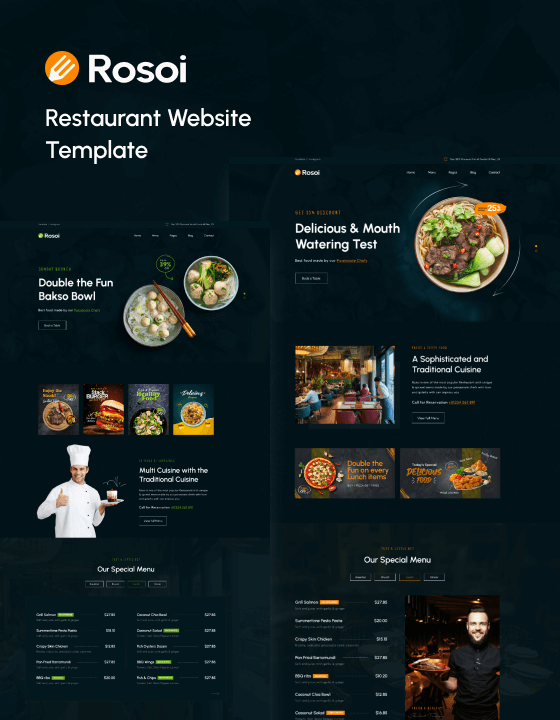
The Importance of Restaurant Website Design
When it comes to the success of a restaurant in today’s digital age, having an attractive and functional website is essential. A well-designed restaurant website not only serves as a virtual storefront but also plays a crucial role in attracting customers, showcasing the menu, and providing essential information.
One of the key aspects of restaurant website design is creating a visually appealing layout that reflects the ambiance and style of the establishment. High-quality images of the interior, dishes, and staff can help create a positive first impression and entice visitors to dine at the restaurant.
Moreover, an intuitive navigation system is vital for ensuring that visitors can easily find what they are looking for on the website. Clear menus, contact information, reservation options, and online ordering functionalities should be prominently displayed to enhance user experience.
Another crucial element of restaurant website design is mobile responsiveness. With an increasing number of people using smartphones and tablets to browse the internet, it is essential that restaurant websites are optimised for mobile devices. A responsive design ensures that the website looks great and functions well across all screen sizes.
In addition to aesthetics and usability, search engine optimisation (SEO) plays a significant role in driving traffic to a restaurant website. By implementing SEO best practices such as using relevant keywords, meta tags, and creating high-quality content, restaurants can improve their visibility on search engine results pages.
Finally, integrating features such as online reservations, table booking systems, online menus with high-quality images and descriptions can streamline the customer journey and encourage more bookings. Providing easy access to contact information and location details can also help potential customers find and visit the restaurant more easily.
In conclusion, effective restaurant website design is essential for attracting customers, enhancing user experience, improving visibility on search engines, and ultimately driving business growth. By investing in professional web design services tailored to their specific needs, restaurants can create a digital presence that sets them apart from competitors and attracts diners looking for a memorable dining experience.
8 Essential Tips for Designing an Effective Restaurant Website
- Ensure the website is mobile-friendly for users on smartphones.
- Include high-quality images of the restaurant and dishes.
- Make the menu easy to find and read online.
- Provide clear contact information, including location and opening hours.
- Incorporate a reservation system if applicable.
- Highlight any special offers or events prominently.
- Ensure fast loading times for better user experience.
- Use consistent branding elements throughout the site.
Ensure the website is mobile-friendly for users on smartphones.
It is crucial for restaurant websites to be mobile-friendly to cater to users browsing on smartphones. With the increasing trend of mobile internet usage, ensuring that the website is optimised for smaller screens and touch interactions is paramount. A mobile-friendly design not only enhances user experience but also improves accessibility, allowing potential customers to easily navigate the site, view menus, make reservations, and find essential information on-the-go. By prioritising mobile responsiveness in restaurant website design, establishments can effectively reach and engage with a wider audience, ultimately driving more traffic and conversions to their business.
Include high-quality images of the restaurant and dishes.
In the realm of restaurant website design, incorporating high-quality images of both the restaurant’s ambiance and delectable dishes can significantly enhance the visual appeal and entice potential customers. Captivating visuals not only showcase the dining experience but also evoke a sense of anticipation and desire in visitors. By presenting mouth-watering images that accurately represent the culinary offerings, a restaurant can effectively communicate its unique selling points and create a lasting impression that encourages patrons to make a reservation or visit in person.
Make the menu easy to find and read online.
In restaurant website design, it is crucial to make the menu easy to find and read online. By ensuring that the menu is prominently displayed and easily accessible, visitors can quickly browse through the offerings, prices, and descriptions. Clear categorisation, intuitive navigation, and legible fonts enhance user experience and help potential customers make informed decisions about their dining choices. A well-organised and visually appealing online menu not only showcases the culinary delights of the restaurant but also entices visitors to explore further and ultimately dine at the establishment.
Provide clear contact information, including location and opening hours.
In restaurant website design, it is crucial to provide clear and easily accessible contact information, including the establishment’s location and opening hours. By prominently displaying this essential information on the website, customers can quickly find details they need to visit the restaurant. Clear contact details instil trust and convenience for potential diners, making it easier for them to plan their visit and ensuring a seamless experience from online browsing to in-person dining.
Incorporate a reservation system if applicable.
When designing a restaurant website, it is crucial to incorporate a reservation system if applicable. By providing an online booking functionality, restaurants can streamline the reservation process for customers, making it convenient and hassle-free. This feature not only enhances the user experience but also helps in managing table bookings efficiently, reducing the chances of double bookings and ensuring a smoother dining experience for both customers and staff. Additionally, an integrated reservation system can help restaurants track customer data, preferences, and booking history to personalise their service and build customer loyalty.
Highlight any special offers or events prominently.
Highlighting any special offers or events prominently on a restaurant website is a crucial tip for attracting and engaging customers. By showcasing promotions, discounts, or upcoming events in a prominent location on the website, restaurants can capture the attention of visitors and entice them to make a reservation or visit the establishment. This strategy not only creates a sense of urgency but also adds value to the customer experience, encouraging repeat visits and fostering loyalty. Effective promotion of special offers and events can drive traffic to the restaurant website and ultimately boost sales and revenue.
Ensure fast loading times for better user experience.
Ensuring fast loading times for a restaurant website is crucial for providing a seamless user experience. In today’s fast-paced digital world, users expect websites to load quickly and efficiently. Slow-loading websites can frustrate visitors and lead to high bounce rates, potentially driving customers away. By optimising website performance and reducing loading times, restaurants can create a more engaging and user-friendly experience, encouraging visitors to explore the site, view the menu, make reservations, and ultimately choose to dine at the restaurant. Fast loading times not only improve user satisfaction but also contribute to higher search engine rankings, making it a key factor in the success of a restaurant’s online presence.
Use consistent branding elements throughout the site.
In restaurant website design, it is crucial to use consistent branding elements throughout the site. By maintaining uniformity in colours, fonts, logos, and overall design aesthetics, restaurants can reinforce their brand identity and create a cohesive online presence. Consistent branding helps build brand recognition, instils trust in visitors, and enhances the overall user experience. Whether a customer is browsing the menu, making a reservation, or reading about the restaurant’s story, seeing familiar branding elements reinforces the restaurant’s identity and strengthens its connection with customers.
