
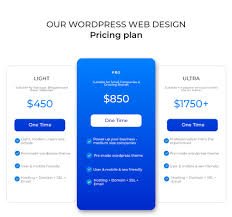
The Cost of Web Design: Factors to Consider
When it comes to creating a website for your business or personal use, one of the key considerations is the cost involved in web design. The cost of web design can vary significantly depending on various factors, and it’s essential to understand what influences the pricing before embarking on your web design project.
Factors Affecting Web Design Costs:
Complexity of Design: The more complex and intricate your website design requirements are, the higher the cost is likely to be. Custom designs with unique features and functionalities will typically incur higher costs compared to using pre-made templates.
Number of Pages: The number of pages you need for your website will also impact the overall cost. Each additional page will require design work and content creation, which can increase the total cost.
Functionality Requirements: If your website requires specific functionalities such as e-commerce capabilities, booking systems, or user login portals, these additional features will contribute to the overall cost of web design.
Responsive Design: Ensuring that your website is optimised for mobile devices through responsive design can add to the cost. Responsive design involves adapting the layout and content of your site to different screen sizes, enhancing user experience across devices.
Additional Considerations:
Aside from these factors, other considerations that may impact web design costs include ongoing maintenance and updates, domain registration and hosting fees, as well as search engine optimisation (SEO) services to improve visibility on search engines.
Conclusion:
It’s important to have a clear understanding of your requirements and budget constraints when planning a web design project. By considering these factors and working with a reputable web design agency that offers transparent pricing structures, you can ensure that you get a website that meets your needs without breaking the bank.
9 Essential Tips for Managing Web Design Costs Effectively
- Set a clear budget for your web design project.
- Research and compare prices from different web design agencies or freelancers.
- Consider the complexity of your website features and functionality when estimating costs.
- Ask for detailed quotes outlining all the services included in the cost.
- Discuss any additional fees that may arise during the project, such as maintenance or updates.
- Be wary of unusually low prices as they may indicate a lack of quality or hidden costs.
- Ensure that the pricing structure is transparent and there are no hidden charges.
- Prioritize quality over cost to ensure a professional and effective website.
- Get a written contract detailing all aspects of the web design cost to avoid misunderstandings.
Set a clear budget for your web design project.
Setting a clear budget for your web design project is crucial in ensuring that you stay on track and avoid unexpected costs. By establishing a budget from the outset, you can effectively communicate your financial constraints to your web design agency and work together to create a website that aligns with your budgetary requirements. A clear budget also helps you prioritise features and functionalities based on their importance, allowing you to make informed decisions throughout the design process. Remember, a well-defined budget not only helps control costs but also ensures that you get the best value for your investment in web design.
Research and compare prices from different web design agencies or freelancers.
When considering the cost of web design, it is advisable to conduct thorough research and compare prices from various web design agencies or freelancers. By obtaining quotes from different sources, you can gain a better understanding of the market rates and services offered. This comparison allows you to make an informed decision based on your budget and specific requirements, ensuring that you get the best value for your investment in web design services.
Consider the complexity of your website features and functionality when estimating costs.
When estimating the costs of web design, it is crucial to consider the complexity of your website features and functionality. Customised features and intricate functionalities will typically involve more time and effort to develop, which can impact the overall cost of your web design project. By carefully assessing the specific requirements of your website in terms of features and functionality, you can better understand how these elements contribute to the total cost and make informed decisions to ensure that your budget aligns with your desired outcomes.
Ask for detailed quotes outlining all the services included in the cost.
When considering web design costs, it is advisable to request detailed quotes that outline all the services included in the cost. By asking for a breakdown of the services provided, you can gain a clearer understanding of what is covered in the pricing and avoid any surprises later on. A comprehensive quote will help you assess whether the web design agency meets your requirements and budget expectations, ensuring transparency and clarity in the project scope.
Discuss any additional fees that may arise during the project, such as maintenance or updates.
When considering the cost of web design, it is crucial to discuss any potential additional fees that may arise during the project, such as maintenance or updates. These ongoing expenses are essential to keep your website running smoothly and up-to-date with the latest technologies and trends. By addressing these factors upfront and including them in your budget planning, you can ensure that your website remains functional and relevant in the long term, providing a positive user experience for visitors and helping you achieve your online goals effectively.
Be wary of unusually low prices as they may indicate a lack of quality or hidden costs.
When considering web design costs, it is crucial to be cautious of unusually low prices, as they could signal a lack of quality or undisclosed expenses. While budget-friendly options may seem appealing at first glance, they could result in subpar design work or additional charges down the line. Investing in a reputable web design service that offers transparent pricing and delivers high-quality results is essential to ensure a successful and cost-effective website development process.
Ensure that the pricing structure is transparent and there are no hidden charges.
When considering the cost of web design, it is crucial to ensure that the pricing structure is transparent and free from hidden charges. Transparency in pricing helps clients understand exactly what they are paying for and prevents any surprises down the line. By working with a web design agency that provides clear breakdowns of costs and outlines all fees upfront, you can have peace of mind knowing that you are getting a fair deal and that there are no unexpected expenses lurking in the shadows.
Prioritize quality over cost to ensure a professional and effective website.
When considering web design costs, it is crucial to prioritize quality over cost to guarantee the creation of a professional and effective website. Investing in a well-designed website may require a higher initial outlay, but the long-term benefits of a visually appealing, user-friendly, and functional site far outweigh the savings from cutting corners on design expenses. By prioritizing quality in web design, you can establish a strong online presence that resonates with your target audience, enhances credibility, and ultimately drives success for your business or personal brand.
Get a written contract detailing all aspects of the web design cost to avoid misunderstandings.
To ensure clarity and avoid misunderstandings regarding web design costs, it is crucial to obtain a written contract that outlines all aspects of the project. A comprehensive contract should detail the agreed-upon pricing structure, payment terms, scope of work, project timeline, and any additional fees or charges that may arise during the web design process. Having a written agreement in place not only helps to establish clear expectations between both parties but also provides a legal framework for resolving any disputes that may arise throughout the project.
