
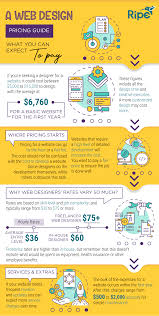
The Cost of Website Design: Factors to Consider
When it comes to creating a website, one of the most common questions that arises is, “How much does website design cost?” The answer to this question can vary widely depending on several factors that play a crucial role in determining the overall cost of designing a website.
Factors Affecting Website Design Cost:
- Complexity: The complexity of your website design will have a significant impact on the cost. A simple informational website will be less expensive compared to a complex e-commerce site with multiple features and functionalities.
- Customization: If you require custom design elements, unique features, or specific functionality tailored to your business needs, it will increase the cost of website design.
- Responsive Design: Ensuring that your website is responsive and mobile-friendly adds to the cost but is essential for providing a seamless user experience across different devices.
- Content Management System (CMS): Integrating a CMS like WordPress or Drupal for easy content management can affect the overall cost based on the complexity and customisation required.
- Graphic Design and Branding: Creating custom graphics, logos, and branding elements can add to the design cost but are crucial for establishing a strong brand identity.
- SEO Integration: Incorporating search engine optimisation (SEO) features into your website design can improve visibility and ranking on search engines but may require additional investment.
Tips for Managing Website Design Costs:
To ensure that you get the best value for your investment in website design, consider the following tips:
- Define your goals and requirements clearly before starting the design process to avoid unnecessary revisions and costs.
- Request detailed quotes from multiple web designers or agencies to compare prices and services offered.
- Avoid unnecessary customisations or features that do not align with your business objectives to keep costs in check.
- Maintain open communication with your designer throughout the process to address any concerns or changes promptly.
- Inquire about ongoing maintenance and support costs post-launch to budget effectively for long-term website management.
In conclusion, while website design costs can vary based on numerous factors, it is essential to understand these factors and make informed decisions to create a successful online presence within your budget constraints. By considering these factors and following best practices for managing design costs, you can achieve an effective and visually appealing website that meets your business goals without breaking the bank.
6 Essential Tips for Managing Website Design Costs Effectively
- Research and compare prices from multiple web design agencies.
- Consider the complexity of your website features and functionalities.
- Opt for a responsive design to ensure compatibility across devices.
- Factor in additional costs such as domain registration and web hosting.
- Discuss the possibility of maintenance fees for updates and support.
- Be wary of extremely low prices, as they may compromise quality.
Research and compare prices from multiple web design agencies.
Researching and comparing prices from multiple web design agencies is a crucial tip when considering website design costs. By obtaining detailed quotes from different agencies, you can gain insight into the range of services offered and their corresponding prices. This approach allows you to make an informed decision based on your budget and requirements, ensuring that you get the best value for your investment in website design. Comparing prices also helps in identifying any potential cost discrepancies and enables you to choose a web design agency that aligns with your goals while staying within your budget constraints.
Consider the complexity of your website features and functionalities.
When determining the cost of website design, it is crucial to consider the complexity of your website’s features and functionalities. The more intricate and advanced the features you require, the higher the design cost is likely to be. By carefully assessing the necessity and impact of each feature on your website, you can make informed decisions to balance functionality with budget constraints. Prioritising essential features and avoiding unnecessary complexities can help streamline the design process and ensure a cost-effective solution tailored to your specific needs.
Opt for a responsive design to ensure compatibility across devices.
Opting for a responsive design is a crucial tip when considering website design costs. By choosing a responsive design, you ensure that your website is compatible and user-friendly across various devices, including desktops, laptops, tablets, and smartphones. This approach not only enhances the user experience but also eliminates the need to create separate versions of your site for different devices, ultimately saving you time and resources in the long run. Responsive design is a cost-effective solution that ensures your website looks great and functions seamlessly on any screen size, helping you reach a wider audience and maximise your online presence effectively.
Factor in additional costs such as domain registration and web hosting.
When considering the cost of website design, it is crucial to factor in additional expenses such as domain registration and web hosting. These essential components play a significant role in establishing your online presence and ensuring your website is accessible to users worldwide. Domain registration involves securing a unique web address for your site, while web hosting provides the server space and infrastructure needed to store and display your website content. By accounting for these additional costs upfront, you can better plan your budget and avoid any surprises during the website development process.
Discuss the possibility of maintenance fees for updates and support.
When considering the cost of website design, it is crucial to discuss the possibility of maintenance fees for updates and support with your web designer or agency. Maintenance fees cover ongoing updates, security patches, bug fixes, and technical support post-launch to ensure that your website remains functional, secure, and up-to-date. By understanding and budgeting for these maintenance costs upfront, you can avoid unexpected expenses and ensure that your website continues to perform optimally in the long run. Open communication about maintenance fees helps establish a transparent relationship with your designer and allows you to plan effectively for the ongoing management of your website.
Be wary of extremely low prices, as they may compromise quality.
When considering website design costs, it is crucial to be cautious of extremely low prices, as they may compromise the quality of the final product. While budget constraints are a valid concern, opting for rock-bottom prices could result in subpar design work, lack of attention to detail, and potential issues with functionality and user experience. Investing in a reputable web designer or agency that offers competitive yet reasonable pricing ensures that you receive a high-quality website that effectively represents your brand and meets your business objectives. Remember, quality should not be sacrificed for the sake of saving a few pounds upfront.
