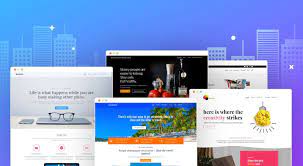
, web designers can organise content into meaningful sections and containers. By applying CSS properties like display: flex;, float: left;, position: relative;, designers can control how these elements are arranged on the page.
Grid systems are commonly used in web layout design to create a structured framework for organising content. Grids help maintain consistency in spacing and alignment across different sections of a website. Popular CSS frameworks like Bootstrap provide pre-built grid systems that simplify the process of creating responsive layouts.
Whitespace is another important aspect of web layout design that should not be overlooked. Adequate whitespace around elements helps improve readability and visual hierarchy on a webpage. It creates breathing room for content and prevents overcrowding that can overwhelm users.
In conclusion, mastering web layout design requires a balance between creativity and functionality. By understanding the principles of responsive design, utilising HTML and CSS effectively, incorporating grid systems sensibly, and utilising whitespace strategically, designers can create visually appealing websites that offer an exceptional user experience across all devices.
8 Essential Tips for Creating an Effective Web Layout
Use a grid system for better alignment and consistency. Keep the layout simple and clean to improve readability. Ensure proper spacing between elements for a balanced look. Optimise images for web to enhance loading speed. Choose a responsive design to cater to different screen sizes. Use contrasting colours for text and background for better legibility. Prioritise important content by placing it prominently on the page. Test the layout across different browsers and devices for compatibility.
Use a grid system for better alignment and consistency.
Utilising a grid system in web layout design is a valuable tip that can greatly enhance the alignment and consistency of a website. By structuring content within a grid framework, designers can achieve a harmonious layout that maintains visual balance and order. Grid systems provide a systematic approach to organising elements on a webpage, ensuring that spacing, proportions, and alignment remain consistent across different sections. This not only improves the overall aesthetics of the site but also enhances user experience by creating a cohesive and structured design that is easy to navigate and visually appealing.
Keep the layout simple and clean to improve readability.
When it comes to web layout design, simplicity and cleanliness are key factors in enhancing readability. By keeping the layout simple and uncluttered, with ample whitespace and clear hierarchy of content, users can easily navigate the website and access information effortlessly. A clean layout not only improves readability but also creates a visually appealing interface that engages visitors and encourages them to stay longer on the site. Prioritising simplicity in web layout design can significantly enhance the user experience and make the content more digestible for all audiences.
Ensure proper spacing between elements for a balanced look.
When designing a website, it is essential to ensure proper spacing between elements to achieve a balanced look. Adequate spacing, also known as whitespace, plays a critical role in enhancing the visual appeal and readability of a web page. By allowing enough breathing room between text, images, buttons, and other elements, designers can create a harmonious layout that is easy on the eyes and guides users’ attention effectively. Strategic use of spacing helps prevent clutter and confusion, making the content more digestible and engaging for visitors.
Optimise images for web to enhance loading speed.
Optimising images for the web is a crucial tip to enhance loading speed and improve user experience on a website. By resizing images to the appropriate dimensions, compressing them without compromising quality, and choosing the right file format (such as JPEG or PNG), web designers can significantly reduce the file size of images. This optimisation not only helps web pages load faster but also minimises bandwidth usage, making the website more accessible to users with varying internet speeds. Prioritising image optimisation as part of web layout design ensures that visuals add value to the website without sacrificing performance.
Choose a responsive design to cater to different screen sizes.
When designing a website, it is essential to choose a responsive design to cater to different screen sizes. Responsive design ensures that your website adapts seamlessly to various devices, including desktops, laptops, tablets, and smartphones. By implementing responsive design principles using CSS media queries and flexible layouts, you can provide users with a consistent and user-friendly experience regardless of the device they are using. This approach not only enhances accessibility but also improves user engagement and satisfaction, ultimately leading to a more successful online presence.
Use contrasting colours for text and background for better legibility.
When designing a website layout, it is essential to use contrasting colours for text and background to enhance legibility. By choosing colours that stand out from each other, such as dark text on a light background or vice versa, you can ensure that the text is easy to read and does not strain the eyes of the users. This simple yet effective tip can significantly improve the readability of your content and make navigating your website a more pleasant experience for visitors.
Prioritise important content by placing it prominently on the page.
When designing a website layout, it is essential to prioritise important content by placing it prominently on the page. By highlighting key information, such as call-to-action buttons, featured products, or vital messages, at strategic locations on the webpage, you can guide users’ attention and ensure they engage with the most critical elements of your website. Placing important content prominently not only enhances user experience but also increases the likelihood of achieving your desired goals, whether it’s driving conversions, increasing user engagement, or conveying essential information effectively.
Test the layout across different browsers and devices for compatibility.
It is essential to test the web layout across various browsers and devices to ensure compatibility and a consistent user experience. Different browsers interpret CSS and HTML code differently, which can result in layout discrepancies. By testing the layout on popular browsers such as Chrome, Firefox, Safari, and Edge, as well as on different devices like desktops, laptops, tablets, and smartphones, web designers can identify any issues and make necessary adjustments to ensure that the website displays correctly across all platforms. This thorough testing process helps guarantee that users have a seamless browsing experience regardless of the device or browser they are using.