
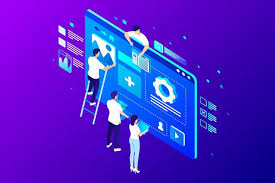
The Art and Science of Web Design & Development
Web design and development are two sides of the same coin when it comes to creating a successful online presence. While web design focuses on the visual aspects of a website, web development is concerned with the technical implementation that brings the design to life. Together, they form a dynamic duo that plays a crucial role in shaping the digital landscape.
Web design encompasses everything from layout and typography to colour schemes and branding. A well-designed website not only looks visually appealing but also enhances user experience by making navigation intuitive and content easily accessible. Designers use tools like Adobe Photoshop and Sketch to create mockups and wireframes before translating them into code.
On the other hand, web development involves turning these design concepts into functional websites through programming languages such as HTML, CSS, and JavaScript. Developers work behind the scenes to ensure that websites are responsive, fast-loading, and compatible across different devices and browsers. They also integrate features like forms, databases, and e-commerce functionality to enhance user interaction.
One of the key principles of effective web design and development is responsiveness. With the increasing use of mobile devices, websites need to adapt to different screen sizes to provide a seamless user experience. Responsive design ensures that content is displayed optimally on smartphones, tablets, and desktops without compromising on aesthetics or functionality.
Accessibility is another important aspect of web design and development. Websites should be designed with all users in mind, including those with disabilities who may rely on assistive technologies like screen readers. By adhering to accessibility standards such as WCAG (Web Content Accessibility Guidelines), designers and developers can create inclusive digital experiences for everyone.
Continuous learning is essential in the ever-evolving field of web design and development. Designers need to stay updated on current trends in typography, layout techniques, and colour theory, while developers must keep pace with new frameworks, libraries, and best practices in coding. Collaboration between designers and developers is also crucial to ensure that creative vision aligns with technical feasibility.
In conclusion, web design and development go hand in hand in creating engaging websites that captivate audiences and deliver seamless user experiences. By combining artistic flair with technical expertise, designers and developers play a pivotal role in shaping the online world we interact with every day.
Essential FAQs on Web Design and Development: Key Differences, Skills, Tools, and Best Practices
- What is the difference between web design and web development?
- What skills are required for a career in web design and development?
- How important is responsive design in web development?
- What tools and technologies are commonly used in web design and development?
- How can I improve the speed and performance of my website?
- What is the role of user experience (UX) design in web development?
- How can I make my website accessible to users with disabilities?
What is the difference between web design and web development?
The key distinction between web design and web development lies in their focus and scope. Web design primarily deals with the visual aspects of a website, encompassing elements such as layout, typography, colour schemes, and branding to create an aesthetically pleasing and user-friendly interface. On the other hand, web development centres on the technical implementation of these design concepts, involving coding languages like HTML, CSS, and JavaScript to bring the design to life and ensure functionality across various devices. While web designers focus on creating engaging user experiences through visual elements, web developers work behind the scenes to build the structure and functionality that make websites interactive and dynamic. In essence, web design is about how a website looks and feels, while web development is about how it works and performs.
What skills are required for a career in web design and development?
A career in web design and development demands a diverse set of skills to succeed in the ever-evolving digital landscape. Proficiency in programming languages such as HTML, CSS, and JavaScript is fundamental for web developers, enabling them to build functional and interactive websites. Designers, on the other hand, require a keen eye for aesthetics, an understanding of user experience principles, and proficiency in design tools like Adobe Creative Suite. Problem-solving skills, attention to detail, creativity, and the ability to collaborate effectively with clients and team members are also essential traits for professionals in web design and development. Continuous learning and adaptability to new technologies are key for staying relevant in this dynamic field.
How important is responsive design in web development?
Responsive design is a fundamental aspect of modern web development, playing a crucial role in ensuring optimal user experience across various devices. With the increasing use of smartphones and tablets to access the internet, responsive design allows websites to adapt seamlessly to different screen sizes and resolutions. This not only enhances usability and readability but also improves search engine rankings, as search engines like Google prioritize mobile-friendly websites. In today’s digital landscape, where users expect consistency and accessibility on all devices, responsive design has become a non-negotiable element in effective web development practices.
What tools and technologies are commonly used in web design and development?
In the realm of web design and development, a plethora of tools and technologies are commonly utilised to bring digital visions to life. Designers often rely on software like Adobe Photoshop, Sketch, and Figma to create visually stunning mockups and wireframes. On the development side, languages such as HTML, CSS, and JavaScript form the foundation for building responsive and interactive websites. Content management systems like WordPress and e-commerce platforms such as Shopify are popular choices for managing website content and online stores efficiently. Additionally, frameworks like Bootstrap and libraries like jQuery streamline the development process by providing pre-built components and functionalities. Collaboration tools such as Slack and project management platforms like Trello help teams coordinate efforts seamlessly. Overall, a diverse array of tools and technologies work harmoniously to empower web designers and developers in crafting compelling online experiences.
How can I improve the speed and performance of my website?
Improving the speed and performance of your website is crucial for enhancing user experience and boosting search engine rankings. To achieve this, there are several strategies you can implement. Firstly, optimise your images by compressing them without compromising quality. Minimise HTTP requests by reducing the number of elements on each page and leveraging browser caching to store static resources locally. Utilise a content delivery network (CDN) to distribute content across multiple servers worldwide for faster loading times. Additionally, consider minifying CSS, JavaScript, and HTML files to reduce file sizes and enable browser caching to save resources for returning visitors. Regularly monitor and analyse your website’s performance using tools like Google PageSpeed Insights or GTmetrix to identify areas for improvement and ensure optimal speed and performance at all times.
What is the role of user experience (UX) design in web development?
User experience (UX) design plays a pivotal role in web development by focusing on creating websites that are intuitive, user-friendly, and engaging for visitors. UX design involves understanding the needs and behaviours of users to design interfaces that facilitate seamless interactions and enhance overall satisfaction. By incorporating elements such as clear navigation, responsive design, intuitive layouts, and accessible content, UX designers ensure that websites not only look visually appealing but also provide a positive experience for users. Ultimately, the goal of UX design in web development is to create websites that meet the needs of users while achieving the business objectives of the website owner.
How can I make my website accessible to users with disabilities?
Ensuring accessibility for users with disabilities is a crucial aspect of web design and development. To make your website accessible, you can start by incorporating features such as alt text for images, descriptive link text, and keyboard navigation options. It’s also important to use semantic HTML markup and provide transcripts for multimedia content like videos and podcasts. Following WCAG guidelines and conducting regular accessibility audits can help identify and address any barriers that may hinder users with disabilities from accessing your website effectively. By prioritising accessibility in your design and development process, you can create a more inclusive online experience for all users.
