
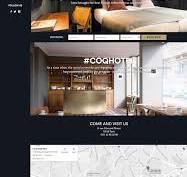
The Importance of Hotel Web Design for Hospitality Businesses
In today’s digital age, having a strong online presence is crucial for businesses in the hospitality industry, especially hotels. A well-designed website can be a powerful tool to attract potential guests, showcase your property’s unique features, and ultimately drive bookings. Here are some key reasons why hotel web design is essential for the success of your hospitality business:
First Impressions Matter
Your hotel website is often the first point of contact between potential guests and your property. A visually appealing and user-friendly website can create a positive first impression, instilling trust and confidence in your brand. By incorporating high-quality images, engaging content, and intuitive navigation, you can capture the attention of visitors and encourage them to explore further.
Showcase Your Property
A well-designed hotel website allows you to showcase the unique features and amenities of your property in an attractive and compelling way. From stunning room photos to virtual tours to detailed descriptions of facilities, your website serves as a virtual window into what guests can expect during their stay. By highlighting what sets your hotel apart from the competition, you can attract discerning travellers seeking a memorable experience.
Drive Direct Bookings
Direct bookings are crucial for maximising revenue and reducing reliance on third-party booking platforms that charge commissions. An optimised hotel website with clear calls-to-action, easy booking processes, and secure payment gateways can encourage guests to book directly with you. By offering exclusive deals, packages, or loyalty rewards through your website, you can incentivise visitors to make reservations without intermediaries.
Mobile-Friendly Design
In an era where mobile devices dominate internet usage, having a responsive design that adapts seamlessly to different screen sizes is essential for reaching a wider audience. A mobile-friendly hotel website ensures that potential guests can easily access information about your property on their smartphones or tablets while on the go. By providing a smooth browsing experience across devices, you enhance user satisfaction and increase the likelihood of conversion.
SEO Benefits
An effective hotel web design incorporates search engine optimisation (SEO) strategies to improve visibility in search engine results pages. By implementing relevant keywords, meta tags, structured content hierarchy, and other SEO best practices, you can enhance your website’s ranking on search engines like Google. This increased visibility helps drive organic traffic to your site and attract qualified leads who are actively searching for accommodation options.
In conclusion, investing in professional hotel web design is a wise decision for hospitality businesses looking to stand out in a competitive market. By creating an engaging online presence that captivates visitors, promotes direct bookings, adapts to mobile devices, enhances SEO performance, and ultimately drives revenue growth.
Key Considerations for Effective Hotel Web Design: Addressing Common Queries
- 1. What is hotel web design and why is it important for hospitality businesses?
- 2. How can a well-designed hotel website help attract more guests?
- 3. What features should a hotel website include to enhance user experience?
- 4. Is mobile responsiveness crucial for a hotel website’s success?
- 5. How can SEO strategies be integrated into hotel web design to improve online visibility?
- 6. What are the benefits of having direct booking functionality on a hotel website?
- 7. How important is high-quality visual content, such as images and videos, for a hotel website?
- 8. What security measures should be implemented to ensure guest data protection on a hotel website?
- 9. How can social media integration benefit a hotel’s online presence and marketing efforts?
1. What is hotel web design and why is it important for hospitality businesses?
Hotel web design refers to the process of creating and structuring a website specifically tailored to meet the needs and expectations of a hotel or hospitality business. It involves designing a visually appealing, user-friendly, and informative online platform that showcases the unique features, amenities, and services of the hotel. Hotel web design is crucial for hospitality businesses as it serves as their digital storefront, making a strong first impression on potential guests. A well-designed hotel website can attract visitors, drive direct bookings, differentiate the property from competitors, and enhance overall brand perception. By incorporating elements such as high-quality images, intuitive navigation, mobile responsiveness, and SEO strategies, hotel web design plays a vital role in capturing the attention of travellers and converting them into loyal guests.
2. How can a well-designed hotel website help attract more guests?
A well-designed hotel website plays a pivotal role in attracting more guests by creating a visually appealing and user-friendly online experience that captivates potential visitors. Through high-quality images, engaging content, intuitive navigation, and seamless booking processes, a well-crafted website can showcase the unique features and amenities of the hotel, instil trust and confidence in the brand, and ultimately persuade guests to choose your property for their stay. By highlighting what sets the hotel apart from competitors, offering exclusive deals or packages, and ensuring mobile responsiveness for on-the-go browsing, a well-designed website serves as a powerful marketing tool to drive direct bookings and increase occupancy rates.
3. What features should a hotel website include to enhance user experience?
When considering the features to include in a hotel website to enhance user experience, several key elements should be prioritised. Firstly, a visually appealing design with high-quality images and intuitive navigation is essential to captivate visitors and make it easy for them to find information. Incorporating a responsive layout that adapts seamlessly to different devices ensures a consistent user experience across desktops, tablets, and smartphones. Providing detailed room descriptions, virtual tours, and interactive maps can help guests visualise their stay and make informed booking decisions. Additionally, including online booking functionality with secure payment options, customer reviews and ratings, contact information, and links to social media platforms can further enhance user engagement and satisfaction on the hotel website.
4. Is mobile responsiveness crucial for a hotel website’s success?
Mobile responsiveness is undeniably crucial for the success of a hotel website in today’s digital landscape. With the increasing use of smartphones and tablets for online browsing, ensuring that your website is optimised for mobile devices is paramount. A mobile-responsive design not only enhances user experience by providing seamless navigation and readability on smaller screens but also boosts search engine rankings, as search engines like Google prioritise mobile-friendly websites. By catering to the needs of mobile users and delivering a consistent experience across all devices, hotels can attract more visitors, increase engagement, and ultimately drive bookings, making mobile responsiveness a key factor in a hotel website’s success.
5. How can SEO strategies be integrated into hotel web design to improve online visibility?
Integrating SEO strategies into hotel web design is essential to enhance online visibility and attract more potential guests to your property. By incorporating relevant keywords, meta tags, structured content hierarchy, and mobile-friendly design elements, you can improve your website’s ranking on search engine results pages. Optimising images, creating unique and engaging content, and building quality backlinks are also key components of effective SEO integration. By focusing on user experience, site speed, and local SEO tactics, hotel websites can increase organic traffic, reach a wider audience, and ultimately drive more bookings.
6. What are the benefits of having direct booking functionality on a hotel website?
Having direct booking functionality on a hotel website offers several key benefits for both the hotelier and guests. Firstly, it allows hotels to bypass third-party booking platforms and avoid paying hefty commission fees, thereby increasing profit margins. For guests, direct booking provides a seamless and convenient reservation process, eliminating the need to navigate multiple websites or deal with potential discrepancies in pricing or room availability. Additionally, hotels can offer exclusive deals, packages, or loyalty rewards through their website, incentivising guests to book directly and fostering a sense of brand loyalty. Overall, direct booking functionality enhances transparency, control over pricing and promotions, and fosters a direct relationship between the hotel and its guests.
7. How important is high-quality visual content, such as images and videos, for a hotel website?
High-quality visual content, including images and videos, plays a crucial role in the success of a hotel website. Visual elements are powerful tools for capturing the attention of potential guests and showcasing the unique features and amenities of the property. Stunning images of rooms, facilities, dining options, and local attractions can create a lasting impression and evoke emotions that inspire travellers to book their stay. Similarly, videos offer an immersive experience that allows visitors to get a real sense of what it’s like to stay at the hotel. By investing in high-quality visual content, hotels can enhance their online presence, engage with their audience effectively, and differentiate themselves in a competitive market.
8. What security measures should be implemented to ensure guest data protection on a hotel website?
Ensuring guest data protection on a hotel website is paramount in maintaining trust and safeguarding sensitive information. To address this concern, hotels should implement robust security measures such as using SSL encryption to secure data transmission, implementing firewalls to prevent unauthorised access, regularly updating software to patch vulnerabilities, and adhering to data protection regulations such as GDPR. Additionally, implementing secure payment gateways, using strong authentication methods, and conducting regular security audits can further enhance the security posture of a hotel website and protect guest data from potential cyber threats. By prioritising these security measures, hotels can instil confidence in their guests that their personal information is handled with the utmost care and diligence.
9. How can social media integration benefit a hotel’s online presence and marketing efforts?
Social media integration can significantly benefit a hotel’s online presence and marketing efforts by enhancing brand visibility, engaging with potential guests, and driving traffic to the hotel website. By integrating social media platforms such as Facebook, Instagram, Twitter, and LinkedIn into the hotel website, properties can reach a wider audience and connect with travellers on channels they frequent. Sharing captivating visuals, guest testimonials, promotions, and updates on social media not only increases brand awareness but also encourages user interaction and loyalty. Additionally, social media integration allows hotels to leverage user-generated content, monitor feedback in real-time, and build relationships with guests before, during, and after their stay. This proactive approach not only boosts engagement but also influences booking decisions and fosters a sense of community around the hotel brand.
